
 By Admin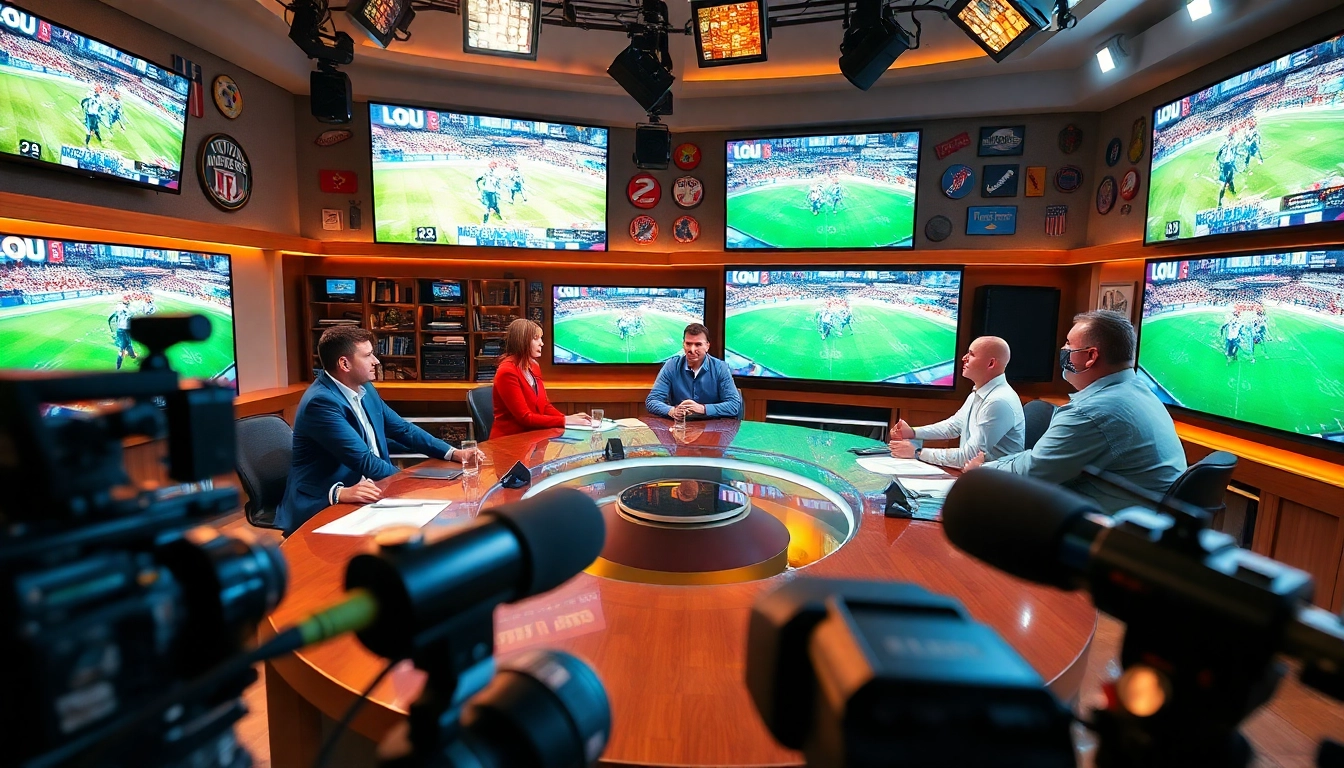
The Evolution of Sports Broadcasting
Historical Overview of Sports Broadcasting
The journey of sports broadcasting is a remarkable tale of innovation and transformation, tracing back to the early 20th century when live sports coverage was first attempted. The advent of radio in the 1920s revolutionized how fans consumed sports, allowing them to listen to broadcasts of baseball games and boxing matches from the comfort of their homes. Fast forward to the 1950s, television burst onto the scene, elevating the viewing experience with visuals that brought sports action directly into living rooms.
Technological Advancements in Sports Broadcasting
Over the decades, technology has significantly advanced the sports broadcasting landscape. The introduction of high-definition (HD) and, more recently, 4K and ultra-high-definition (UHD) formats has enhanced how we watch sports. Innovations such as instant replay, slow-motion analysis, and the use of drones for aerial views have transformed broadcasts, providing fans with unprecedented angles and insights into the action. The integration of virtual and augmented reality has started to change the way fans engage with their favorite sports, offering them an immersive viewing experience.
Impact of Streaming Services on Sports Broadcasting
The emergence of streaming services has disrupted traditional broadcasting models. Platforms such as Hulu, Amazon Prime Video, and dedicated sports services like DAZN are changing how fans access sports content. These services eliminate the need for cable packages and provide on-demand viewing options, appealing to younger and more tech-savvy audiences. The result is not just increased competition among broadcasters but also the need for more innovative content delivery methods to cater to diverse viewer preferences.
Key Components of Effective Sports Broadcasting
Understanding the Role of Commentators
At the heart of any sports broadcast is the commentator, whose role extends beyond mere play-by-play reporting. Effective commentators bring passion and energy to their work, creating an engaging experience for viewers. They provide insightful analysis, background information about players and teams, and create narratives that resonate with fans. A successful commentator must have a deep understanding of the sport, strong communication skills, and the ability to think on their feet.
Essential Equipment for Sports Broadcasting
Sports broadcasting requires a range of equipment to deliver high-quality content. Essential tools include high-definition cameras, wireless microphones, and sophisticated broadcasting software that allows for real-time graphics and statistics. Additionally, mobile broadcasting units enable production teams to cover events from various locations, ensuring flexibility and high production standards in diverse scenarios.
Creating Engaging Content for Sports Fans
Creating content that captivates sports fans is paramount for successful broadcasting. Engaging stories behind athletes, in-depth features on teams, and interactive segments can significantly enhance viewer interest. Utilizing graphics, statistics, and real-time data can create a richer viewing experience. Incorporating fan reactions through social media can also foster a sense of community around broadcasts, encouraging greater viewer engagement and loyalty.
Challenges in the Sports Broadcasting Industry
Navigating Regulatory Concerns in Sports Broadcasting
Regulatory concerns pose a significant challenge within the sports broadcasting industry. Adhering to broadcasting rights agreements, managing content distribution restrictions, and ensuring compliance with local and international broadcasting laws require extensive knowledge and strategic planning. Broadcasting companies must navigate these complexities while striving to deliver uninterrupted and compelling content to fans.
Addressing Viewer Engagement Challenges
Maintaining viewer engagement in a fierce competitive landscape poses additional challenges. With an abundance of entertainment options available, sports broadcasters must continually evolve their strategies to capture and hold audience attention. This requires a blend of interactive content, personalized viewer experiences, and innovative broadcasting methods that resonate with demographics across different platforms.
Keeping Up with Market Competition
The sports broadcasting market is crowded, with numerous players vying for audience attention. Staying relevant involves not just understanding audience preferences but also adapting to technological advancements and changing viewing habits. Broadcasters must invest in market research and analytics to identify emerging trends and adjust their approaches accordingly, ensuring they remain competitive in this evolving landscape.
Best Practices for Audience Engagement
Utilizing Social Media Platforms
Social media platforms are indispensable tools for enhancing audience engagement in sports broadcasting. They offer channels for real-time interaction, allowing broadcasters to share highlights, gather audience feedback, and create discussions that amplify viewers’ emotional investment in games. Utilizing hashtags, creating polls, and hosting live Q&A sessions can foster a deeper connection between broadcasters and fans.
Creating Interactive Content for Fans
Interactive content, such as quizzes, games, and polls, can significantly enhance viewer engagement. These formats not only entertain but also provide insights into viewer preferences and behaviors. Broadcasters can utilize audience data to tailor content, offering personalized experiences that resonate with fans and enhance their overall engagement with broadcasts.
Analyzing Audience Metrics for Better Reach
Monitoring audience metrics is crucial for refining broadcasting strategies. Analyzing viewership data, engagement rates, and social media interactions allows broadcasters to gain insights into viewer habits and preferences. Leveraging analytics tools can help optimize content delivery, scheduling, and marketing efforts to effectively reach and retain the target audience.
Future Directions in Sports Broadcasting
Pioneering Innovations in Content Delivery
The future of sports broadcasting lies in pioneering innovations that enhance content delivery. Technologies such as artificial intelligence (AI) are already playing a pivotal role in optimizing production processes, generating real-time statistics, and personalizing content experiences. As broadcasters explore these advancements, fans can expect an increasingly immersive and interactive viewing experience that keeps them engaged and connected to their favorite sports.
Predictions for the Future of Sports Broadcasting
Looking ahead, the sports broadcasting landscape is poised for transformative changes. As 5G technology becomes more widespread, it will enable higher quality streaming and more interactive content. Virtual reality (VR) and augmented reality (AR) may redefine how audiences experience live events, allowing fans to feel as if they are present at the game. These advancements will likely lead to more tailored and engaging broadcasts that reflect the preferences of diverse viewer groups.
Security and Privacy Considerations in Digital Broadcasting
With the growing reliance on digital platforms comes heightened concerns about security and privacy. Protecting viewer data and ensuring secure broadcasting systems is critical as breaches could undermine audience trust. Broadcasters must prioritize cybersecurity measures and stay compliant with evolving regulations to safeguard their operations and viewers’ information.
Frequently Asked Questions
What are the key skills required for a sports broadcaster?
A sports broadcaster should possess strong communication skills, extensive knowledge of sports, quick thinking abilities, and proficiency in using broadcasting technology.
How has technology changed sports broadcasting?
Technology has enhanced sports broadcasting through high-definition visuals, instant replays, and live streaming across multiple platforms, improving viewer experience and accessibility.
What role do social media play in sports broadcasting?
Social media enables real-time audience engagement, sharing highlights and feedback, thereby enhancing fan interaction and loyalty through direct communication with broadcasters.
How do I ensure quality content in sports broadcasting?
Ensuring quality content relies on thorough research, engaging storytelling, high production values, and timely updates to resonate well with sports fans.
What are common challenges faced by sports broadcasters?
Common challenges include maintaining viewer interest, adapting to regulatory changes, overseeing competition, and effectively integrating new technologies into broadcasts.
The world of Sports Broadcasting is rich with opportunity, innovation, and challenges. As we embrace the future of this dynamic field, understanding its evolution and best practices is crucial for success.