
 By Admin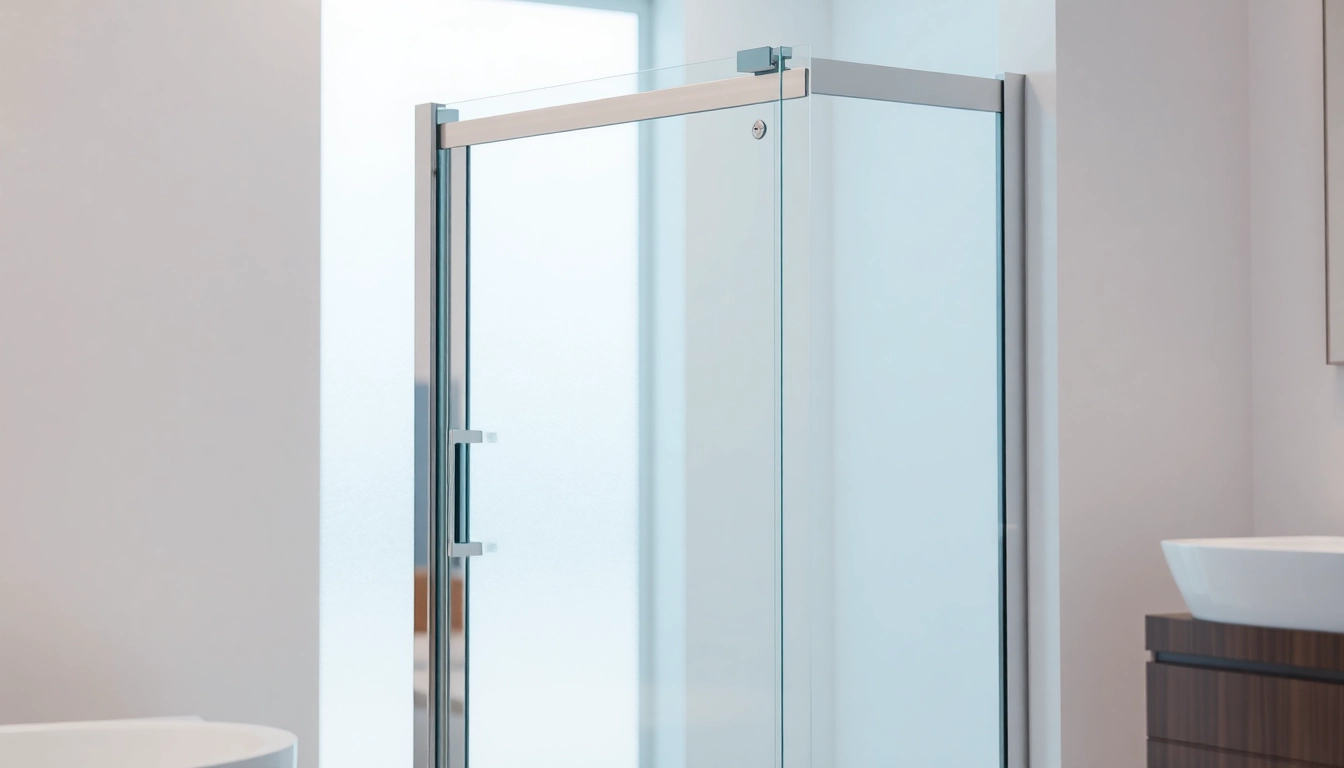
Benefits of Installing a Shower Screen Door
In modern bathroom design, the importance of a shower screen door cannot be overstated. Not only do these stylish barriers enhance the look of your bathroom, but they also improve functionality. In this section, we will explore various benefits that come with installing a shower screen door, highlighting how it can transform your shower experience.
Enhanced Aesthetics
A significant advantage of shower screen doors is the visual appeal they bring to your bathroom space. Unlike traditional shower curtains that can be cumbersome and lifeless, shower screen doors offer a sleek and modern look. Available in various designs, including frameless options, they create a clean line of sight, allowing light to flow freely. This openness can make your bathroom appear more spacious and luxurious. With the right choice of glass and finishes, you can match your shower screen door to existing fixtures, enhancing the overall decor.
Space Optimization
Bathrooms are often compact areas where maximizing space is critical. Shower screen doors, especially bi-fold and sliding varieties, afford you the flexibility to utilize your bathroom efficiently. Unlike curtains that require additional space to swing open or close, many shower screens are designed to fit snugly against walls, ensuring minimal overlap with available space. This strategic design means you can keep toiletries and other items within easy reach, making your daily routines smoother and more enjoyable.
Easy Maintenance
Cleaning is an essential consideration for any bathroom fixture. Shower screen doors, particularly those made from tempered glass, are straightforward to clean and maintain. Unlike cloth curtains that can harbor mildew and require regular washing, most mirror-finish shower doors can be easily wiped down with a glass cleaner and a soft cloth. Regular maintenance also helps prevent hard water stains and soap scum build-up, keeping your bathroom looking pristine with minimal effort.
Types of Shower Screen Door
When considering a shower screen door, it is crucial to understand the different types available in the market. Each type has distinct features and benefits, allowing you to choose one that aligns with your preferences and the layout of your bathroom.
Frameless Shower Screen Door
Frameless shower screen doors are a popular choice for those looking for a minimalist design. These doors utilize heavy-duty tempered glass without frames, providing an unobstructed view. They enhance the perception of space and contribute to a contemporary feel. However, they may require specialized installation and a slightly higher budget. Proper maintenance is essential to keep them looking clear and spotless.
Framed Shower Screen Door
For homeowners seeking a more traditional or robust option, framed shower screen doors are an excellent choice. These doors feature an aluminum or metal frame that supports the glass, providing additional durability. Framed screens are often more budget-friendly than frameless counterparts and come in various styles and finishes to fit different decors. They also tend to be easier to install, making them a convenient option for DIY enthusiasts.
Bi-Fold Shower Screen Door
If space is a critical factor in your bathroom design, bi-fold shower screen doors are a practical solution. These doors fold inwards, requiring minimal space to open. They maintain an elegant appearance while ensuring that accessibility is not compromised. Bi-fold doors are particularly ideal for smaller bathrooms or where room to swing is limited. Additionally, they can be customized to fit various shower sizes, enhancing their versatility.
Factors to Consider Before Choosing a Shower Screen Door
Choosing the right shower screen door for your bathroom involves considering several important factors. This section offers insights on what to look for to ensure your selection meets both aesthetic desires and practical needs.
Space and Layout
Before selecting a shower screen door, assess your bathroom’s size and layout. Consider measuring the space where the door will be installed to ensure a perfect fit. Evaluate how much room is available for door operation—sliding doors require less swing area than hinged doors. Understanding the layout will also help you determine the best door type for your configuration, enhancing both function and flow in your bathroom.
Material Quality
The material of your shower screen door significantly affects durability and appearance. Opt for tempered glass doors, as they are designed to withstand impact and temperature fluctuations. Ensure the hardware used, such as hinges and handles, is made of corrosion-resistant materials to prolong lifespan. Investing in high-quality materials ultimately results in longevity and better overall bathroom performance.
Style and Compatibility
Your shower screen door should seamlessly integrate with the style of your bathroom. Consider the overall design theme, whether modern, traditional, or eclectic. Furthermore, ensure that color and finish choices complement existing fixtures and fittings. A harmonious design will not only elevate the look of your bathroom but also provide a personal touch that reflects your style preferences.
Installation Guide for Your Shower Screen Door
Preparation and Tools Needed
Before starting the installation, gathering all necessary tools is essential. You’ll typically require the following: a drill, level, screwdriver, measuring tape, silicone sealant, and safety goggles. It’s also advisable to have an extra pair of hands available to help with handling heavy glass panels. Make sure you read through the manufacturer’s instructions for your specific shower screen door model, paying close attention to any unique requirements.
Step-by-Step Installation Process
- Measure and Mark: Begin by measuring the area where the door will be installed. Use a pencil to mark where the frame, hinge, or track will be positioned.
- Install Frame or Track: If installing a framed door, attach the frame components first according to the instructions. For sliding doors, install the top track securely, ensuring it’s level.
- Mount the Glass Panels: Carefully lift the glass door into place, making sure it fits securely into the hinges or rail system. Ensure they are aligned correctly and adjust as necessary.
- Seal the Edges: Apply silicone sealant along any edges or areas that might be prone to leaks. This step is critical to prevent water leakage and damage.
- Final Checks: After installation, double-check all screws and fittings to ensure everything is secure. Test the operation of the door a few times to confirm it opens and closes smoothly.
Maintenance Tips After Installation
Once installed, regular maintenance will ensure that your shower screen door remains in excellent condition. Clean the glass with a non-abrasive cleaner at least once a week to prevent soap scum and hard water stains. Wipe down hinges and tracks regularly to remove any buildup. If you notice any wear on the sealants, retouch them to prevent leaks promptly.
Frequently Asked Questions About Shower Screen Door
What is a shower screen door?
A shower screen door is a transparent barrier made often of glass that separates the shower area from the rest of the bathroom, preventing water from escaping.
How do I clean my shower screen door?
Use a glass cleaner or a vinegar-water mixture with a soft cloth to wipe down the glass surfaces regularly, which will help prevent buildup.
Can a shower screen door fit in any space?
Most shower screen doors can be customized to fit various sizes and configurations, but it’s essential to measure your space accurately before purchasing.
Are shower screen doors better than curtains?
Shower screen doors generally offer a more modern look and are easier to clean and maintain than traditional shower curtains.
What materials are best for shower screen doors?
Tempered glass is the preferred material for durability and safety, as it is designed to withstand humidity and temperature changes efficiently.