
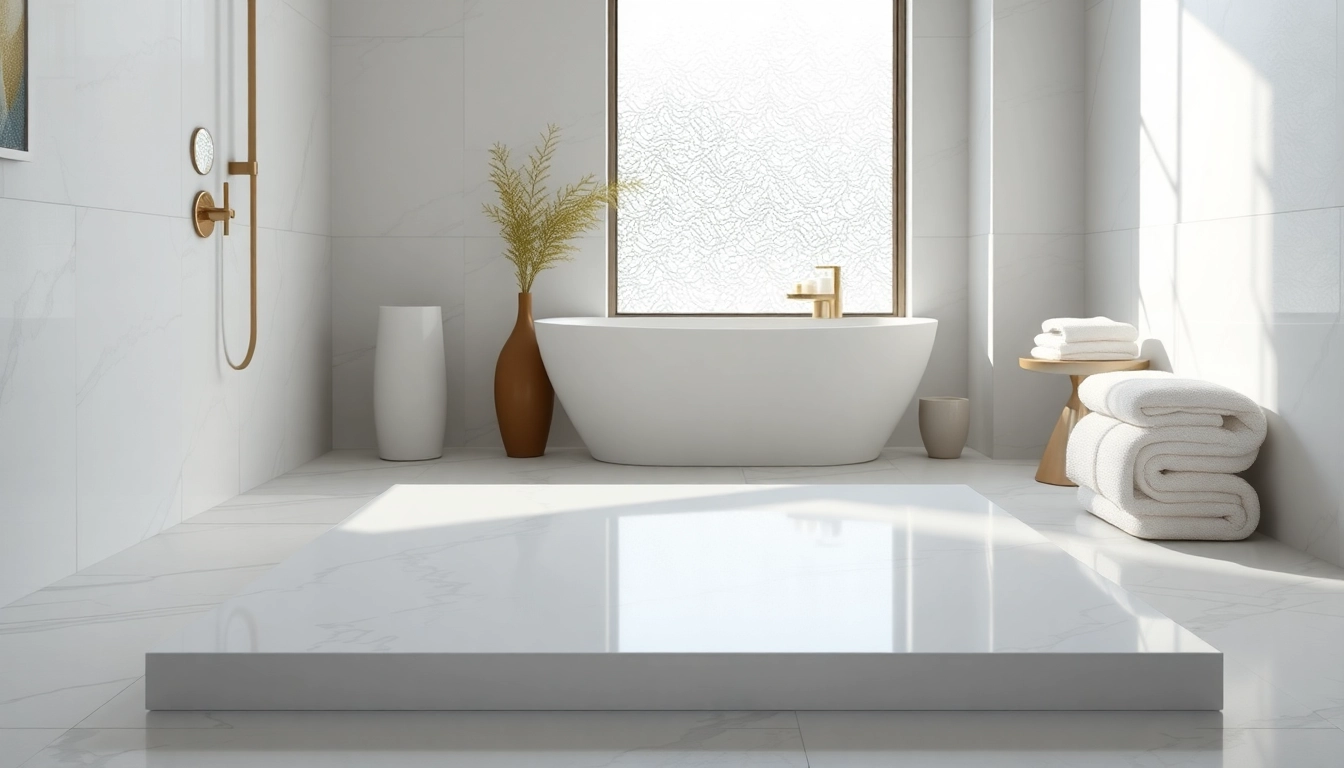
Understanding the Importance of a Shower Base
What is a Shower Base?
A shower base, often referred to as a shower pan, serves as the foundation for a showering space. It is the waterproof section that collects and drains water effectively, preventing leaks and water damage to the surrounding bathroom area. Typically situated at the bottom of a shower enclosure, a shower base can be made from a variety of materials and is designed to fit various styles and sizes of bathrooms.
Benefits of a Quality Shower Base
Investing in a quality shower base is crucial for several reasons:
- Waterproofing: A well-constructed shower base ensures that water flows efficiently into the drain, reducing the risk of leaks and subsequent water damage.
- Comfort: A well-designed shower base can provide a smooth, comfortable surface underfoot, enhancing your overall shower experience.
- Easy Maintenance: High-quality materials often come with better finish and stain resistance, making cleaning simpler and more effective.
- Longevity: Good-quality products are built to last, saving you the time and cost of frequent replacements.
Common Materials Used in Shower Bases
Shower bases can be made from a variety of materials, each offering unique benefits:
- Acrylic: Lightweight and resistant to staining and scratching, making it an excellent choice for most bathroom designs.
- Fiberglass: Affordable and flexible, though it may not be as durable as other options.
- Tile: Provides a customizable aesthetic, but requires more maintenance to prevent grout stains.
- Composite: A mixture of materials that offers enhanced durability and resistance to wear.
Types of Shower Bases Available
Low-Profile Shower Base
Low-profile shower bases are designed to sit flush with the bathroom floor, providing an elegant and seamless transition from the bathroom surface to the showering area. This design makes it the ideal choice for modern bathrooms, as it enhances accessibility for all users and can give the illusion of more space in smaller bathrooms.
Barrier-Free Shower Base
Barrier-free shower bases are designed without curbs or ledges, allowing for easy entrance and exit. This type of shower base is particularly beneficial for elderly individuals or those with limited mobility, making the shower space more inclusive. Additionally, barrier-free designs can incorporate features like slip-resistant surfaces to enhance safety.
Custom Shower Bases
For those looking for a truly unique shower experience, custom shower bases can be tailored to fit any specific design preferences or space requirements. Homeowners can select their materials, colors, and sizes, ensuring that the shower base complements the overall aesthetic of the bathroom. Custom options can also be made to fit unusual layouts or to accommodate specific plumbing requirements.
Selecting the Right Size and Shape
Measuring Your Bathroom Space
Before selecting a shower base, accurately measuring the available bathroom space is essential. Start by measuring the width and depth of the intended shower area, accounting for other elements such as doors and fixtures. Be sure to leave enough room for comfortable movement within the bathroom and consider any potential obstructions when choosing the shower base.
Common Shower Base Shapes
Shower bases come in various shapes to accommodate different bathroom layouts:
- Square: Ideal for symmetrical layouts, square bases offer a classic design that fits well in most bathrooms.
- Rectangular: Great for elongated spaces, rectangular bases can provide a more spacious feel.
- Quarter Round: Perfect for corner showers, these bases maximize space while creating a modern look.
- Neo-Angel: Gives a unique aesthetic appeal, often used within contemporary design schemes.
Adjusting to Specific Bathroom Layouts
Customizing your shower base to fit specific bathroom layouts can significantly enhance usability. When dealing with limited space, consider opting for corner units or compact shapes. For larger bathrooms, the layout can be more flexible, allowing the installation of larger, more luxurious shower bases that promote relaxation.
Installation Guidelines for Your Shower Base
Preparing the Area for Installation
Proper preparation is essential to ensure that your shower base is installed correctly and functions well. Start by clearing the area of existing fixtures and debris. Make sure the subfloor is level and clean, as any imperfections can lead to water pooling and future issues. It is also wise to check plumbing and drainage systems to confirm they are in optimum condition.
Step-by-Step Installation Process
- Fit the Base: Temporarily place the shower base in position to test for fit and alignment.
- Mark Drain Placement: Locate and mark the position of your drain on the subfloor, making sure it lines up with the base.
- Connect Plumbing: Install or modify the plumbing as needed to ensure proper drainage.
- Install the Base: Use mortar to set the base in position securely, ensuring even support.
- Seal Edges: Apply a water-proof sealant around the edges to protect against leaks.
Common Mistakes to Avoid During Installation
While installing your shower base, be cautious of common pitfalls:
- Neglecting to level the base can lead to drainage issues.
- Forgetting to check plumbing alignment may result in leaks.
- Insufficient sealing could allow water to seep underneath the base.
- Using incorrect materials can compromise the durability of the installation.
Maintenance Tips for Longevity
Cleaning Your Shower Base Effectively
Regular cleaning is crucial to maintaining the appearance and longevity of your shower base. Use a non-abrasive cleaner that is specifically designed for the material of your shower base. Avoid harsh chemicals or abrasive tools that may scratch the surface. For tough stains, a mixture of vinegar and baking soda can effectively lift grime without damaging your shower base.
Signs Your Shower Base Needs Replacement
Be vigilant for signs that your shower base may need replacement:
- Cracks or Chips: Any visible damage can compromise the integrity of the base.
- Constantly pooling water: This could indicate a failed drainage system.
- Excessive staining: If cleaning fails to restore its original appearance, replacement may be necessary.
- Mold or Mildew: Persistent mold issues can signal hidden water damage.
Enhancing Durability Through Regular Care
To maximize the lifespan of your shower base, establish a regular maintenance routine. This should include thorough cleaning, checking for leaks, and addressing any minor repairs promptly. Additionally, consider applying a protective sealant periodically to maintain water resistance and curb potential staining.
Frequently Asked Questions
What is the average lifespan of a shower base?
The average lifespan of a shower base can vary greatly, typically lasting between 10 to 30 years depending on the material and usage. Regular maintenance plays a crucial role in extending its longevity.
Can I install a shower base myself?
While DIY installation is possible, it’s recommended to have some prior plumbing knowledge. If you’re not comfortable with plumbing work, hiring a professional may ensure a more reliable installation.
What type of shower base is best for small bathrooms?
For small bathrooms, a corner or compact shower base can maximize space efficiently. Low-profile designs also help create a more open feel.
How do I prevent mold in my shower base?
To prevent mold growth, ensure proper ventilation in the bathroom, wipe down surfaces regularly, and use non-toxic cleaning products that fight mold.
Is it necessary to use a shower mat?
While not mandatory, using a shower mat can enhance safety by providing traction and protecting the base from scratches or damage. It’s recommended, especially in households with children or seniors.