
 By Admin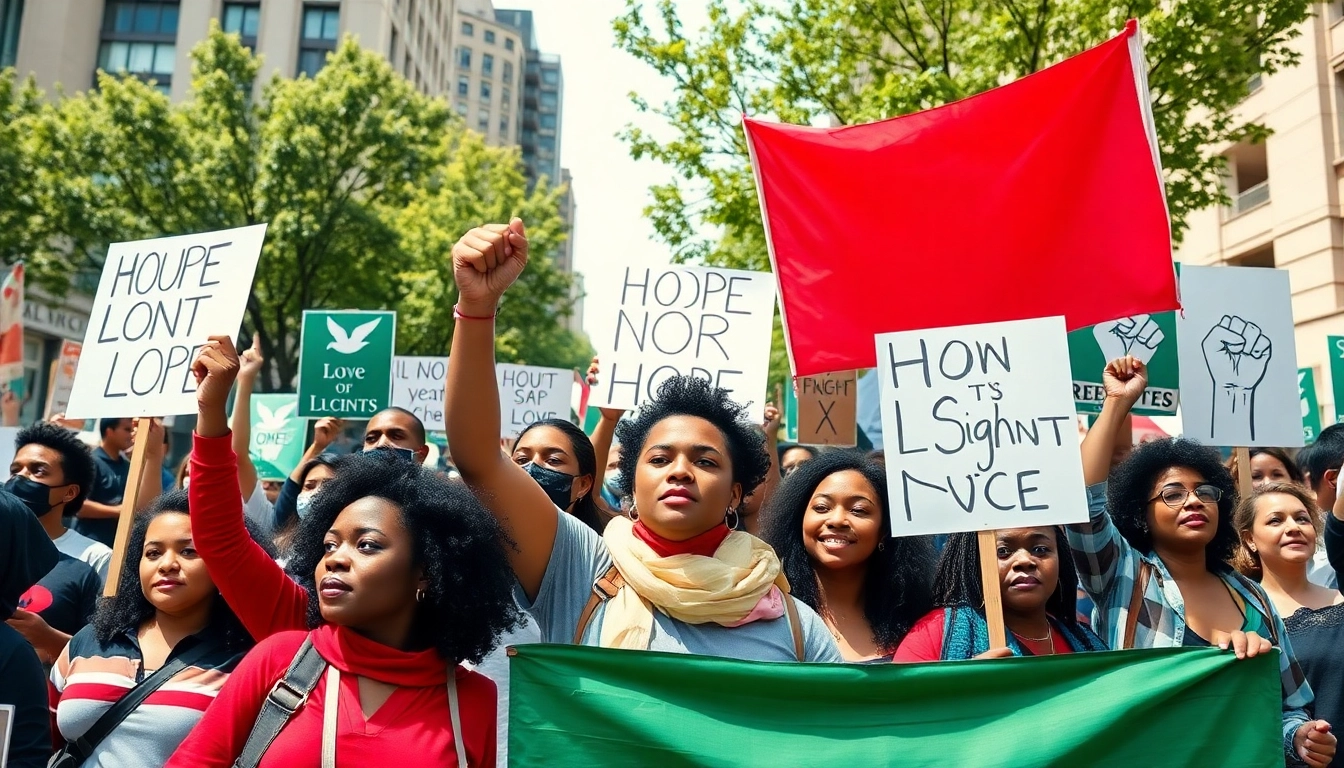
The concept of Human Rights represents a profound cornerstone of social justice and ethical governance. It embodies the standards of fairness, dignity, and equality that every human being deserves, transcending geographical, cultural, and temporal boundaries. In this comprehensive exploration, we will delve into the essence of human rights, the current challenges they face, the ways in which they can be promoted, and the future prospects for these fundamental freedoms.
The Essence of Human Rights
Defining Human Rights
Human rights are basic rights and freedoms that all individuals are entitled to regardless of nationality, sex, ethnicity, religion, or any other status. These rights are inherent to all human beings, providing a standard of treatment that protects individuals from abuse and injustice. The Universal Declaration of Human Rights, adopted by the United Nations General Assembly in 1948, establishes a comprehensive framework for the recognition and protection of these rights. Key rights include the right to life, freedom from torture, freedom of expression, and the right to a fair trial.
The Historical Journey of Human Rights
The evolution of human rights is a complex narrative, marked by significant milestones and movements. The Magna Carta of 1215 introduced concepts of legal rights and limitations on government power. In the 18th century, Enlightenment thinkers like John Locke championed ideas of life, liberty, and property, paving the way for democratic revolutions. These philosophical foundations culminated in the establishment of modern legal frameworks that protect human rights internationally.
Global Impact of Human Rights
The recognition of human rights has had a transformative impact worldwide. It serves as a powerful tool for marginalized groups seeking justice and equality. International human rights treaties and conventions have led to significant progress in various areas, such as gender equality, racial justice, and the rights of children and minorities. The global human rights movement has galvanized advocates and organizations to hold governments accountable, fostering a more just society. Despite these advances, the interpretation and implementation of human rights vary considerably across different cultures and legal systems.
Current Challenges to Human Rights
Discrimination and Inequality
Discrimination based on race, gender, sexual orientation, and socioeconomic status remains prevalent in many societies. Despite legal protections, systemic inequalities continue to deny millions their basic rights, leading to social unrest and conflict. Addressing discrimination necessitates a multifaceted approach that includes public awareness campaigns, legislative reform, and inclusive policies that empower underrepresented communities.
Governmental Oppression
In numerous countries, authoritarian regimes undermine human rights through censorship, imprisonment, and brute force. The suppression of dissent and the violation of civil liberties often hinder the progress of human rights. International coalitions and human rights organizations play a critical role in exposing abuses and advocating for free speech and political participation.
Eeconomic Injustice
Economic inequality poses a significant barrier to the realization of human rights. Access to basic needs such as food, shelter, and education is often dictated by wealth and status. Global efforts to alleviate poverty and foster equitable economic growth are essential in ensuring that all individuals can exercise their human rights fully and without hindrance. Investment in social infrastructure, equitable labor practices, and fair trade policies are foundational measures for addressing economic injustice.
Ways to Promote Human Rights
Advocacy and Activism
Activism plays a crucial role in the promotion of human rights. Grassroots movements and organizations mobilize resources and create awareness about human rights violations. Effective advocacy often relies on storytelling to highlight personal experiences that resonate with wider audiences. Digital platforms have allowed activists to amplify their voices, creating global campaigns that demand accountability and reform.
Educational Initiatives
Education is vital to the promotion and protection of human rights. Integrating human rights education into school curricula fosters a culture of respect and understanding among future generations. Community programs and workshops can further empower individuals with knowledge and skills to advocate for their rights and the rights of others. Public awareness campaigns are also essential for informing citizens about their rights and responsibilities.
Legal Frameworks
Robust legal frameworks are necessary to uphold human rights at national and international levels. Countries must ratify and implement international treaties and conventions that protect human rights. Additionally, legal reforms at the national level can strengthen protections for marginalized groups. Establishing independent judiciary systems helps ensure that laws are upheld, and justice is served.
Human Rights in Different Regions
Human Rights in Developed Countries
While developed nations often have extensive legal frameworks supporting human rights, they still face challenges such as racial discrimination, economic inequality, and issues surrounding privacy rights. Continuous vigilance is necessary to ensure that human rights are not taken for granted, and that marginalized groups are afforded protection against systemic injustices.
Human Rights in Developing Nations
In many developing countries, human rights are often threatened by poverty, conflict, and weak governance. Efforts to address these issues require strategic interventions that include humanitarian aid, support for democratic governance, and investment in education and health care. Grassroots organizations often work tirelessly to advocate for human rights, providing crucial services and mobilizing local communities.
Regional Human Rights Organizations
Regional organizations play a vital role in promoting and protecting human rights across geographical boundaries. For instance, the African Union and the European Court of Human Rights provide frameworks for human rights advocacy and resolution of disputes. These organizations help foster cooperation among nations and hold governments accountable for human rights violations within their jurisdictions.
The Future of Human Rights
Emerging Trends and Technologies
The future of human rights will be significantly influenced by emerging technologies such as artificial intelligence and digital communications. These advancements present unprecedented opportunities for advocacy and social mobilization. However, they also pose challenges regarding privacy, surveillance, and data security. Ethical considerations must guide the deployment of these technologies to ensure that they serve to enhance human rights, rather than undermine them.
The Role of Youth in Human Rights
Youth have the potential to drive significant change in the realm of human rights. With their unique perspectives and ability to leverage modern communication tools, young activists can connect with and mobilize global audiences. Educational initiatives targeting youth can cultivate understanding and passion for human rights issues, empowering the next generation of leaders and advocates.
Building Resilient Communities
Lastly, building resilient communities is essential for safeguarding human rights in the future. Community-driven initiatives that prioritize inclusivity and social justice can create solid foundations for protecting human rights locally. Engaging diverse stakeholders, including government agencies, civil society, and private sectors, can create comprehensive strategies to address human rights challenges effectively.
Frequently Asked Questions
What are the basic human rights?
The basic human rights include the right to life, freedom from torture, freedom of expression, and the right to a fair trial, among others, as outlined in the Universal Declaration of Human Rights.
How can individuals support human rights?
Individuals can support human rights by educating themselves, advocating for marginalized communities, participating in activism, and supporting organizations focused on human rights issues.
What challenges do human rights activists face?
Human rights activists often face governmental oppression, censorship, threats to their safety, and societal backlash when advocating for changes in policies and practices.
Why is education important for human rights?
Education raises awareness, fosters understanding, and empowers individuals with the knowledge and tools needed to advocate for their rights and the rights of others, creating a more just society.
What future trends could impact human rights?
Emerging technologies, increasing youth activism, and the need for resilient communities will greatly influence the future landscape of human rights, presenting opportunities and challenges.