Understanding Structural Steel Construction
Definition and Importance
Structural steel construction refers to the use of steel as the primary material for building frameworks. Steel has become an essential material in construction due to its strength, durability, and versatility. As a key player in modern architecture, structural steel provides the ability to create expansive, open spaces that traditional materials, like wood or concrete, may not support as effectively. The reliance on structural steel construction is a testament to the material’s efficiency and its capability to withstand various environmental stresses and loads. Given its high strength-to-weight ratio, structural steel is crucial for sustainable development goals since it minimizes material usage while maximizing structural integrity.
Materials Used in Structural Steel Construction
The primary material in structural steel construction is carbon steel, which is alloyed with other elements to enhance its properties. Different grades of structural steel are categorized based on yield strength, ductility, and resistance to environmental factors. Common grades include ASTM A36, A992, and A572, each suited for specific applications based on structural requirements. In addition to carbon steel, galvanized steel, stainless steel, and high-strength low-alloy (HSLA) steel are increasingly used due to their corrosion resistance, aesthetic appeal, and strengthened performance.
Common Applications in Modern Architecture
Structural steel is used in a multitude of applications ranging from commercial buildings to bridges and even residential homes. Its flexibility allows architects and engineers to design structures that are not only functional but also aesthetically pleasing. Common applications include skyscrapers, warehouses, industrial plants, and stadiums. Its ability to span long distances without the need for many supporting columns makes it a favorite for large open spaces, enhancing both visibility and versatility in design.
Advantages of Structural Steel Construction
Strength-to-Weight Ratio Benefits
One of the most significant advantages of structural steel construction is its strength-to-weight ratio. This property means that structural steel can support heavy loads while being comparatively lightweight, thereby simplifying transportation and installation. The reduced weight also contributes to lower foundation loads, which can minimize excavation and material costs, creating more efficient building practices. This benefit is particularly favorable in high-rise building projects where every pound counts in structural engineering calculations.
Enhanced Durability and Longevity
Structural steel is noted for its durability and longevity. Unlike wood, it is not susceptible to rot, pests, or warping, making it a long-lasting solution for various construction needs. Moreover, when properly treated or galvanized, steel can resist corrosion, maintaining structural integrity over decades of exposure to the element. Many steel structures have proven to last for more than a century with proper maintenance, providing a sustainable solution for modern infrastructure needs.
Flexibility in Design and Architecture
The intrinsic flexibility of structural steel allows architects to reveal their creative designs without compromising structural requirements. Curved and intricate designs that would otherwise be challenging to realize with other materials can be efficiently constructed with steel. The ease of fabrication allows for custom shapes and sizes, and it can be utilized to create visually impactful designs that meet modern aesthetic demands.
Design and Planning for Structural Steel Construction
Key Design Concepts and Considerations
Effective design of structural steel involves understanding load paths, material properties, and fabrication methods. Early collaboration between architects, structural engineers, and contractors is crucial to ensure that the specifications align with the practical realities of construction. Key considerations include understanding the project’s load-bearing requirements, environmental factors such as wind and seismic activity, as well as the overall life-cycle costs associated with maintenance and energy use.
Building Information Modeling (BIM) Integration
Building Information Modeling (BIM) represents a revolutionary advancement in structural steel planning and design. By simulating physical structures in a virtual environment, stakeholders can visualize the completed design before construction begins. This integration allows teams to detect clashes between different building systems, explore design alternatives in real time, and streamline the entire construction process from inception to completion. BIM’s analytical capabilities also enable better coordination among disciplines, which can lead to substantial time and cost savings.
Regulatory Standards and Compliance
Compliance with regulatory standards is a necessary consideration in structural steel construction. Structures must adhere to local building codes, safety regulations, and engineering guidelines. Governing bodies like the American Institute of Steel Construction (AISC) establish standards aiming for safety, efficiency, and sustainability. Familiarity with these regulations ensures that projects not only fulfill legal obligations but also meet industry best practices, ultimately safeguarding the public and enhancing the structural performance.
Construction Techniques in Structural Steel Construction
Welding and Bolting Methods
In structural steel construction, joining methods such as welding and bolting are critical to establishing strong connections that contribute to overall structural integrity. Welding, which involves melting the base metals together, creates a continuous joint, whereas bolting uses mechanical fasteners to connect separate elements. Each technique carries advantages: welding allows for a smoother finish and can be ideal for complex geometries, whereas bolting provides ease of assembly and flexibility for component replacement.
Lift Plans and Erection Procedures
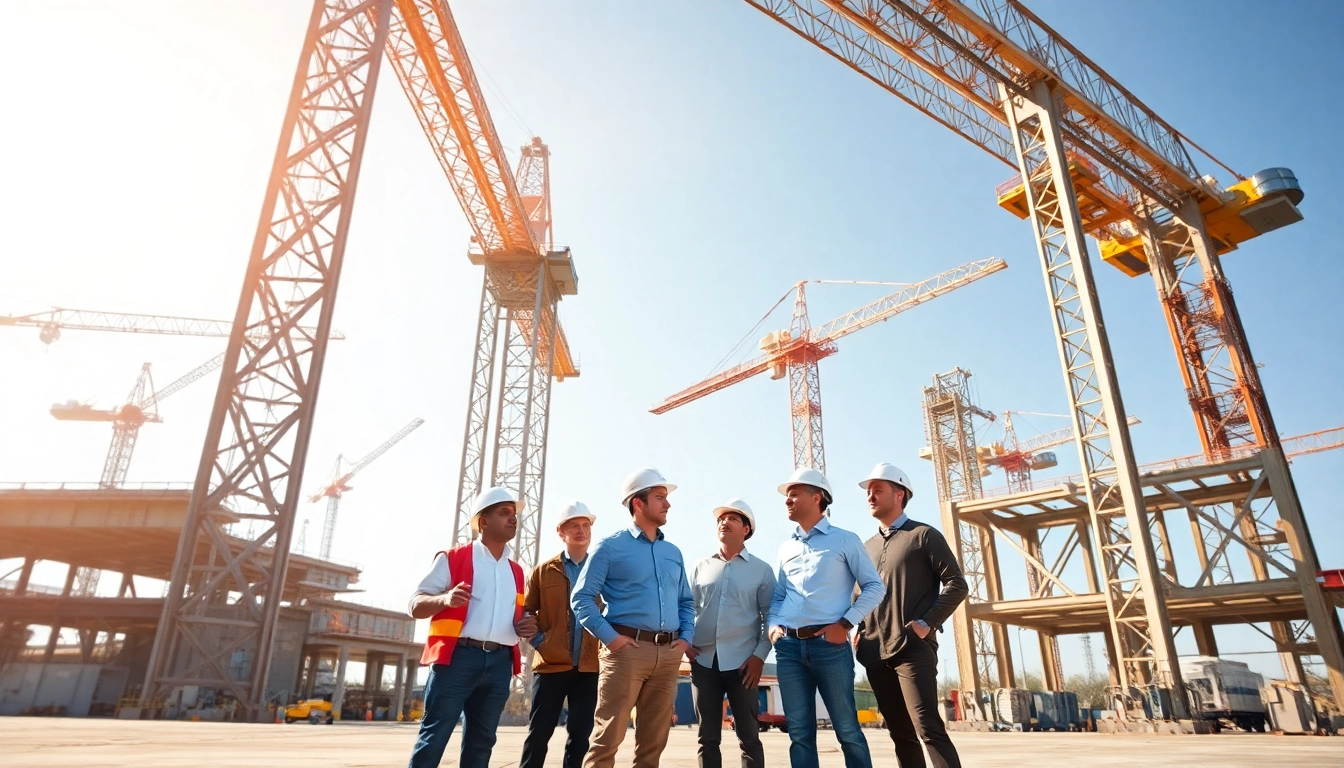
Creating a detailed erection plan is essential to ensure the safe and efficient assembly of structural steel on-site. The lift plan outlines the methods and equipment used to safely position steel components. This process involves selecting proper cranes, rigging systems, and detailed sequencing of lifts based on load weights and site constraints. Collaboration among the project management team, crane operators, and safety personnel ensures that lifting procedures minimize risks and achieve timely completion.
Safety Protocols During Construction
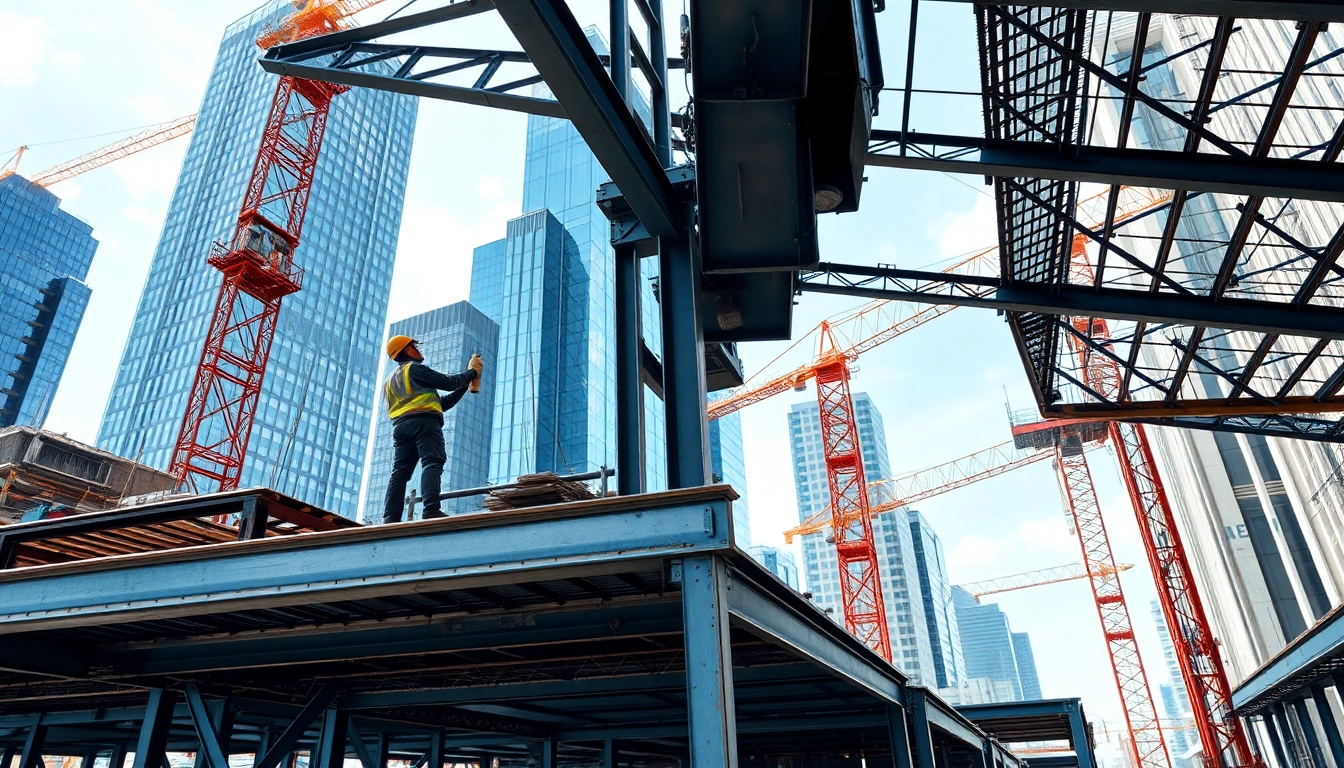
Safety is a primary concern in structural steel construction, given the nature of heavy lifting and high elevations. Implementing a comprehensive safety protocol is essential to protect workers on-site. This includes proper training in rigging methods, use of personal protective equipment (PPE), and ensuring the structural stability of components during assembly. Regular safety audits and compliance checks serve to uphold a culture of safety among all employees, reducing the risk of accidents and ensuring a smooth implementation of construction practices.
Future Trends in Structural Steel Construction
Sustainable Building Practices
As global sustainability efforts intensify, structural steel construction is evolving to meet environmental standards. Recycled steel usage is on the rise, with studies showing that steel can be recycled without losing its inherent properties. This adaptability makes it an environmentally friendly choice, reducing landfill waste and conserving natural resources. Techniques such as life-cycle assessments (LCAs) are becoming commonplace, helping builders evaluate the environmental impacts of structural steel throughout its life, from production to disposal.
Innovations in Steel Alloy and Coating Technologies
Research and development in steel alloys and corrosion-resistant coatings are paving the way for more resilient steel structures. Innovations such as weathering steel, which develops a protective layer through oxidation, minimize maintenance needs while offering aesthetic appeal. Similarly, advancements in fire-retardant coatings enhance safety without compromising the aesthetics or weight of the structure.
The Role of Automation in Enhanced Efficiency
Automation is playing a transformational role in structural steel construction, with robotics and automated machinery streamlining both the manufacturing and assembly processes. Adopted techniques include automated welding, laser cutting, and 3D printing of structural components. These technologies enhance precision, reduce human error, and significantly decrease the time required for production and assembly. As technology continues to evolve, the construction industry will see substantial efficiency improvements, cost reductions, and enhanced safety protocols.