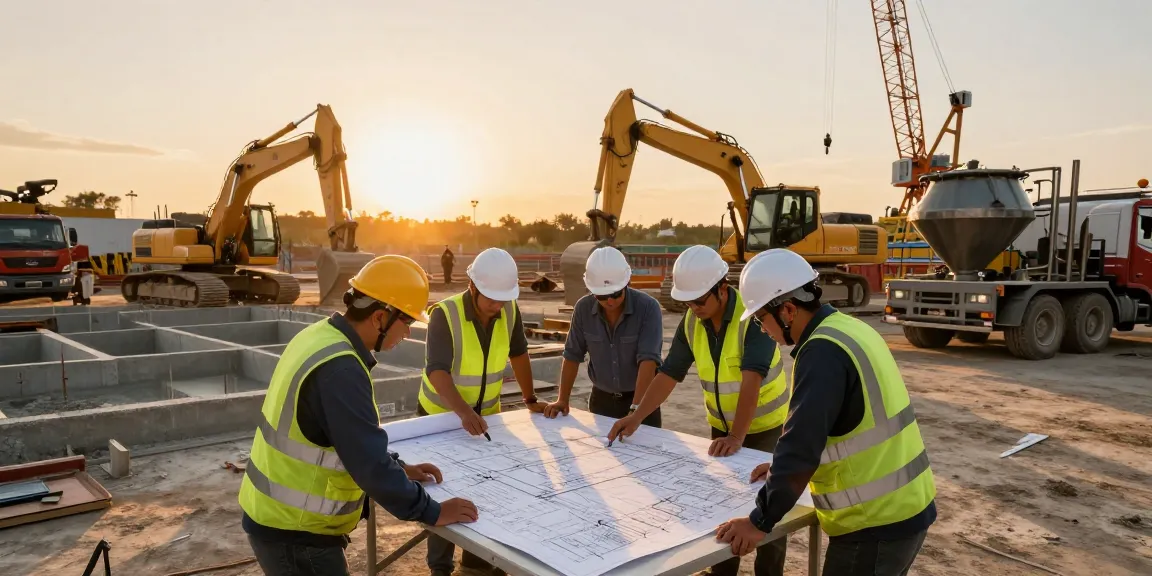
The Importance of Construction Safety Programs
In the construction industry, safety is not just an option; it is a necessity. Every day, workers face various hazards, which can lead to serious injuries or even fatalities. Implementing construction safety programs is crucial in mitigating these risks. By establishing a robust safety framework, companies can ensure a safer work environment while fostering a culture of safety commitment among employees.
Understanding the Risks on Construction Sites
Construction sites are inherently dangerous, with workers exposed to a myriad of risks. Common hazards include falls from heights, equipment accidents, electrical hazards, and exposure to toxic substances. Each year, thousands of construction workers are injured on the job, and many of these incidents are preventable. Understanding these risks is the first step in developing an effective safety program. Statistical data indicates that falls account for a significant percentage of workplace injuries in the construction sector, emphasizing the need for preventive measures.
Key Elements of Effective Safety Programs
An effective safety program includes several key elements:
- Risk Assessment: Regularly identifying potential hazards on-site.
- Training: Ensuring all employees are trained on safety protocols and procedures.
- Communication: Establishing clear lines of communication regarding safety issues.
- Monitoring and Evaluation: Continuously assessing the effectiveness of safety measures.
By incorporating these elements, organizations can create a comprehensive safety strategy tailored to their specific work environments.
Benefits of Implementing Safety Programs
Implementing construction safety programs yields numerous benefits, including:
- Reduced Accident Rates: With proper training and safety protocols in place, the frequency of workplace injuries decreases significantly.
- Enhanced Productivity: A safer work environment leads to fewer disruptions from accidents, ultimately boosting productivity.
- Legal Compliance: Adherence to safety standards reduces the risk of legal issues and fines.
- Improved Employee Morale: Workers appreciate a company that values their safety, leading to higher job satisfaction and retention rates.
Types of Construction Safety Programs
OSHA Compliance Programs
OSHA (Occupational Safety and Health Administration) programs are designed to ensure compliance with federal safety regulations. These programs provide guidelines for identifying hazards and implementing safety measures. By adhering to OSHA standards, employers not only fulfill legal obligations but also enhance workplace safety. Regular audits and inspections are essential components of any OSHA compliance program.
Behavior-Based Safety Programs
Behavior-based safety programs focus on changing employee behavior to enhance safety. By identifying unsafe behaviors and implementing interventions, organizations can significantly reduce accident rates. This approach encourages workers to take responsibility for their safety and that of their colleagues. Techniques such as observation, feedback, and reinforcement are commonly used to modify behaviors positively.
Preventative Maintenance and Safety Training
Preventative maintenance involves regular inspections and repairs of equipment to prevent accidents caused by malfunctioning tools. Coupled with comprehensive safety training, these programs ensure workers are knowledgeable about equipment use and potential hazards. Training should be ongoing, with regular refresher courses to keep safety protocols fresh in employees' minds.
Developing Your Construction Safety Program
Assessing Site-Specific Risks
The first step in developing a construction safety program is assessing the unique risks associated with a particular job site. This involves a thorough analysis of the environment, equipment, and tasks to identify potential hazards. Conducting job hazard analyses (JHAs) can help pinpoint specific risks related to construction activities, allowing for targeted mitigation strategies.
Engaging Employees in Program Development
Involving employees in safety program development fosters a culture of safety and accountability. Workers often have valuable insights into potential hazards and implementation strategies. Conducting focus groups or surveys can help gather their feedback, ensuring the program addresses real-world concerns effectively.
Establishing Clear Procedures and Protocols
Once risks are assessed, the next step is to establish clear procedures and protocols for addressing those risks. This includes detailing processes for operating machinery, handling hazardous materials, and responding to emergencies. Clear documentation ensures that all employees understand safety protocols and can refer to them as needed.
Implementing Construction Safety Programs
Training and Education for Workers
Effective training is the cornerstone of any construction safety program. This training should be comprehensive and tailored to the specific needs of the workforce. Topics should include hazard recognition, personal protective equipment (PPE) usage, and emergency response procedures. Training should be supplemented with hands-on demonstrations and evaluations to reinforce learning.
Monitoring and Evaluation of Safety Practices
Continuous monitoring and evaluation are critical in ensuring the success of safety programs. Establish regular inspections of work areas to assess compliance with safety protocols. Additionally, soliciting feedback from workers about safety practices can provide valuable insights for ongoing improvement.
Adjusting Programs Based on Feedback
Safety programs should not be static; they must evolve based on feedback from employees and performance assessments. Regularly reviewing program effectiveness, incident reports, and worker feedback allows organizations to make necessary adjustments to enhance safety measures continuously.
Measuring the Effectiveness of Safety Programs
Performance Metrics and KPIs
To assess the effectiveness of construction safety programs, organizations need to establish clear performance metrics and Key Performance Indicators (KPIs). Common metrics include incident rates, near-miss reports, and training completion rates. Analyzing these metrics helps identify trends and areas needing improvement.
Analyzing Incident Reports and Safety Records
Thoroughly analyzing incident reports and safety records is essential for continuous improvement. Understanding the circumstances surrounding accidents can provide critical insights into what went wrong and how similar incidents can be prevented in the future. Accumulating data over time also helps track the system's performance and effectiveness.
Continuously Improving Safety Initiatives
Continuous improvement should be a fundamental principle of any safety program. This involves regularly updating training materials, modifying safety procedures based on recent incidents, and staying abreast of changing regulations and best practices. By fostering a proactive approach to safety, organizations can maintain a safe and productive work environment.
FAQs About Construction Safety Programs
What is a construction safety program?
A construction safety program is a set of guidelines, procedures, and training focused on preventing injuries and accidents on job sites.
Why are safety programs important in construction?
Safety programs are critical to protecting workers from hazards, reducing workplace injuries, and ensuring compliance with legal regulations.
How often should training be conducted?
Training should be ongoing, with initial training provided upon hire and regular refresher courses held at least annually.
What are some common risks on construction sites?
Common risks include falls, equipment accidents, electrical hazards, and exposure to hazardous materials.
How can feedback improve safety programs?
Feedback from employees helps identify gaps in safety measures and can lead to better training and protocols, ultimately enhancing workplace safety.