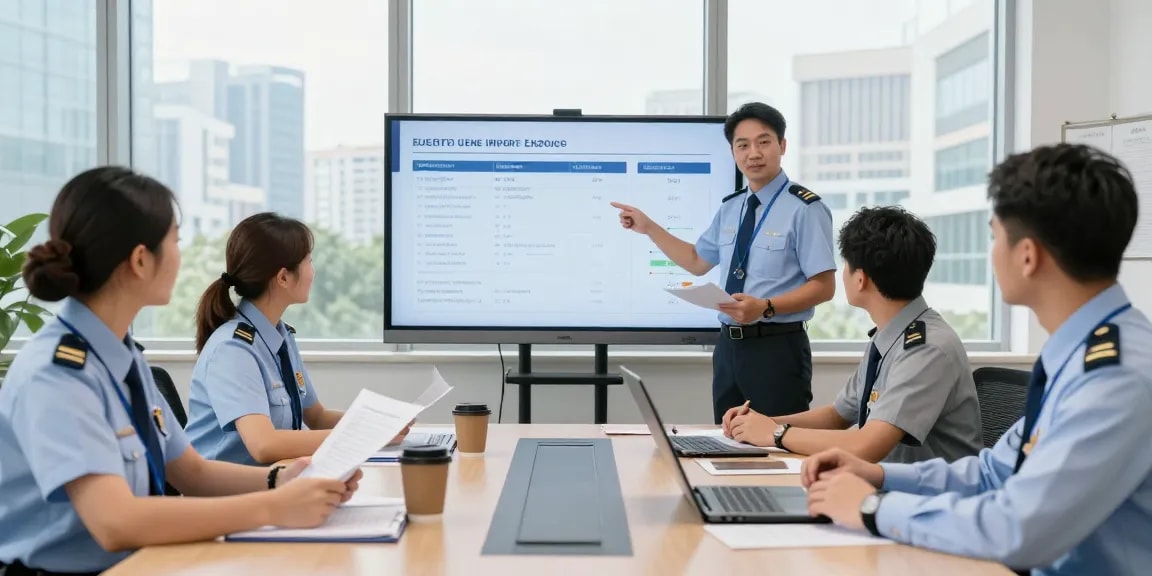
Understanding the Role of a Crisis Management Consultant
In today's fast-paced and unpredictable business environment, organizations must prepare for potential crises that could threaten their operations, reputation, and overall success. This is where the expertise of a crisis management consultant becomes invaluable. These professionals not only navigate businesses through turbulent times, but also equip them with strategies to mitigate risks and rebuild trust post-crisis. In this article, we will delve into the multifaceted role of crisis management consultants and explore essential strategies for effective crisis management.
What Is a Crisis Management Consultant?
A crisis management consultant is a specialized professional who assists organizations in preparing for, responding to, and recovering from crises. These crises can take various forms, including natural disasters, cybersecurity breaches, public relations scandals, and operational failures. The consultant's primary role is to develop tailored strategies that help mitigate the impact of these crises on the organization and its stakeholders.
Key Responsibilities of a Crisis Management Consultant
The responsibilities of a crisis management consultant are diverse and critical to an organization's resilience. Key responsibilities include:
- Risk Assessment: Identifying potential risks and vulnerabilities that may threaten the organization's operations and reputation.
- Crisis Planning: Developing comprehensive crisis management plans tailored to the specific needs of the organization and potential crises identified.
- Training and Simulation: Conducting training sessions and crisis simulation exercises to prepare the crisis management team and organization for real-world scenarios.
- Response Coordination: Leading the crisis response efforts, ensuring effective communication and engagement with stakeholders, including employees, customers, and media.
- Post-Crisis Evaluation: Analyzing the response effectiveness post-crisis and providing recommendations for improvements in future preparedness and response strategies.
The Importance of Crisis Management in Business
The significance of effective crisis management cannot be overstated. A well-planned and executed crisis management strategy can protect an organization’s assets, reputation, and stakeholder relationships. Here are several reasons why crisis management is vital for businesses:
- Minimizes Damage: Effective crisis management can significantly reduce the immediate and long-lasting damage caused by a crisis.
- Enhances Reputation: Organizations that handle crises effectively often strengthen their reputations as they demonstrate resilience and commitment to transparency.
- Fosters Trust: A proactive approach to crisis management fosters trust among stakeholders, reassuring them of the organization's capability to manage adversity.
- Ensures Business Continuity: By preparing for potential crises, organizations can maintain operational continuity, even in challenging situations.
Common Types of Crises Faced by Organizations
Natural Disasters and Their Impacts
Natural disasters, including hurricanes, earthquakes, floods, and wildfires, pose significant threats to organizations. These unforeseen events can disrupt operations, damage infrastructure, and jeopardize the safety of employees and clients. A crisis management consultant must evaluate how natural disasters can impact the organization and develop contingency plans that include evacuation protocols, emergency communication strategies, and recovery processes.
Reputational Crises: When Image Matters
Reputational crises often arise from scandals, negative media coverage, or public backlash. These events can rapidly erode public trust and customer loyalty. It is crucial for organizations to have a crisis management consultant on hand to help them manage communication, address the public's concerns, and work towards restoring their reputation through transparency and accountability.
Operational Crises: Challenges in Business Continuity
Operational crises can include anything from supply chain disruptions to technological failures. A crisis management consultant assists organizations in analyzing operational vulnerabilities and crafting plans to ensure business continuity during and after such events. This includes creating backup systems, clear lines of communication, and rapid response plans to mitigate disruption.
Preparing for a Crisis: The Consultant’s Perspective
Developing a Comprehensive Crisis Management Plan
Creating a comprehensive crisis management plan is fundamental to any organization's preparedness strategy. A consultant collaborates with the organization to outline clear objectives, roles, and procedures. The plan should include:
- Risk Identification: A thorough analysis of potential internal and external risks that could lead to a crisis.
- Response Protocols: Defined steps for how to respond during a crisis, including emergency contacts and resource allocations.
- Communication Strategies: Guidelines for effective communication with employees, stakeholders, and the media.
- Monitoring Systems: Mechanisms for tracking and responding to emerging issues before they escalate into full-blown crises.
Training and Simulating Crisis Scenarios
Effective training is paramount to ensure that the crisis management team and entire organization are prepared to act swiftly. Crisis management consultants design and conduct simulation exercises that mimic potential crisis situations. These drills help identify weaknesses in the plan, enhance team coordination, and build confidence among employees in their response capabilities.
Establishing Communication Protocols
During a crisis, clear and concise communication is critical. A crisis management consultant helps organizations establish communication protocols that outline who communicates what, when, and to whom. Key points to consider are:
- Internal Communication: Methods for keeping employees informed during a crisis to maintain morale and clarity.
- External Communication: Strategies for engaging with the media and the public to convey accurate information and counter misinformation.
- Regular Updates: The necessity of providing regular updates to all stakeholders as the situation evolves.
Response Strategies During a Crisis
Immediate Actions to Take
The first moments of a crisis are critical for organizations. Consultants guide businesses on immediate actions to take, including activating the crisis management plan, assembling the crisis team, and initiating communication with stakeholders. Quick decision-making, calm leadership, and transparency are essential during these early stages.
Effective Communication Techniques
Once a crisis occurs, effective communication techniques can make or break an organization’s response. These techniques include:
- Clarity and Honesty: Providing clear and truthful information helps maintain trust and credibility.
- Empathy: Acknowledging the impact of the crisis on stakeholders and demonstrating empathy can go a long way in fostering goodwill.
- Consistency: Ensuring consistent messaging across all communication channels helps prevent confusion and reinforces the organization’s commitment to transparency.
Managing Stakeholder Expectations
Stakeholders, including employees, customers, investors, and the media, all have different expectations during a crisis. A crisis management consultant aids organizations in effectively managing these expectations by:
- Providing Timely Updates: Keeping stakeholders informed about developments helps manage uncertainty.
- Personalized Communications: Tailoring messages for specific stakeholder groups to meet their unique concerns and queries.
- Showcasing Action Steps: Demonstrating what actions the organization is taking to resolve the situation fosters stakeholder confidence.
Evaluating Crisis Management Performance Post-Crisis
Measuring Success: Key Performance Indicators
After a crisis, evaluating the organization’s performance is vital for learning and improvement. Key performance indicators (KPIs) provide measurable benchmarks that help assess the effectiveness of the crisis response. Examples of KPIs include:
- Response Time: The duration it took to activate the crisis management plan and respond to the incident.
- Communication Effectiveness: Surveys that gauge stakeholder perceptions of the organization’s communication during the crisis.
- Recovery Time: The time it took for the organization to return to normal operations following the crisis.
Lessons Learned and Continuous Improvement
Every crisis presents unique challenges and opportunities for growth. Post-crisis evaluations must focus on identifying lessons learned, such as:
- Identifying Weaknesses: An assessing where the crisis management plan fell short and what can be improved.
- Enhancing Training: Updating training programs based on the experiences in the crisis to prepare the team for future incidents.
- Refining Protocols: Utilizing feedback to refine communication protocols and response strategies further.
The Consultant’s Role in Post-Crisis Analysis
A crisis management consultant plays a pivotal role in the post-crisis analysis by guiding organizations in reflecting on their actions, evaluating outcomes, and implementing necessary changes. Their expertise ensures that the organization emerges stronger from the crisis, ready to face future challenges with increased resilience and preparedness.