Understanding Ceramic Window Tint
What is Ceramic Window Tint?
Ceramic window tint is a specialized film made from ceramic particles, specifically designed to be applied to the windows of vehicles and buildings. Unlike traditional tints that rely on dyes or metal, ceramic window tint utilizes advanced technology to provide superior heat rejection and UV filtering. The ceramic composition not only enhances visibility but also minimizes glare, creating a more comfortable and enjoyable driving or living experience.
Benefits of Ceramic Window Tint
Ceramic window tint offers numerous advantages that contribute to its growing popularity among consumers. Here are some key benefits:
- UV Protection: One of the most significant benefits is its ability to block up to 99% of harmful UV rays, protecting both passengers and interior upholstery from sun damage.
- Heat Reduction: Ceramic window tint can significantly reduce the amount of heat entering your vehicle or home, leading to a more comfortable environment and decreased reliance on air conditioning.
- Enhanced Privacy: The tint provides varying levels of opacity, offering privacy without compromising visibility for the driver.
- Durability: Thanks to its robust construction, ceramic window tint resists fading, cracking, and peeling better than conventional tints.
- Clarity and Signal Reliability: Unlike metalized films, ceramic tints do not interfere with electronic signals, ensuring consistent performance of devices like GPS and cell phones.
How Does Ceramic Window Tint Work?
The science behind ceramic window tint involves the unique properties of ceramics, which are known for their heat-resistant qualities. When applied to windows, the tint acts as a thermal barrier, absorbing and reflecting infrared light to reduce the heat inside a car or building. This technology allows for effective protection against the sun while maintaining a high level of visibility for the occupants. The result is a significant decrease in solar heat gain, making spaces cooler and more pleasant.
Choosing the Right Ceramic Window Tint
Factors to Consider
When selecting the right ceramic window tint for your vehicle or property, several factors come into play:
- Visible Light Transmission (VLT): Measure the percentage of light that passes through the film, varying from lighter to darker options.
- Legal Regulations: Ensure the tint complies with local laws, as regulations can dictate allowable VLT percentages and reflectivity.
- Performance Ratings: Look for tints backed by data regarding heat rejection and UV protection ratings for informed decisions.
- Warranty: A solid warranty can offer peace of mind regarding the product's durability and longevity.
Different Variations of Ceramic Window Tint
Ceramic window tints come in various forms, each tailored to specific needs:
- Dyed Ceramic Tint: Incorporates dye with ceramic properties for aesthetic benefits and moderate heat rejection.
- Metalized Ceramic Tint: Combines ceramics with metallic elements for enhanced durability and performance, albeit with the potential for signal interference.
- Nano-Ceramic Tint: Features tiny particles for maximum performance; ideal for high-end vehicles requiring superior performance with minimal visibility loss.
Comparing Ceramic Window Tint to Other Options
To highlight the superiority of ceramic window tint, it's essential to compare it with other common types:
- Dyed Window Tint: While dyed films are more affordable, they don’t offer the same level of UV and heat protection and may fade over time.
- Metalized Window Tint: Offers better heat rejection than dyed films but can interfere with electronic signals and creates a reflective appearance.
- Carbon Window Tint: Better than dyed tints but still doesn't reach the energy efficiency levels of ceramic window films; typically offers a good balance of performance and cost.
Installation Process of Ceramic Window Tint
DIY vs. Professional Installation
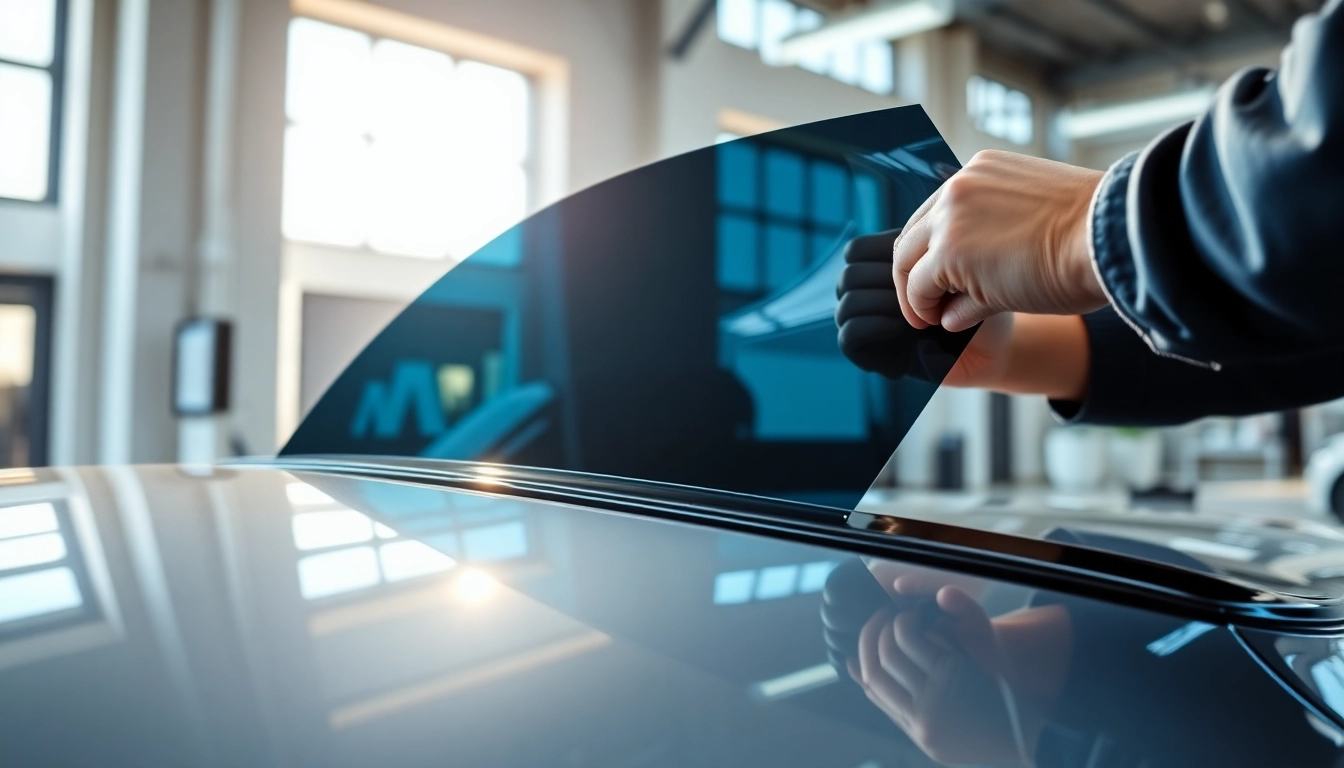
While DIY installation is an option for some experienced individuals, professional installation is often recommended for ceramic window tint due to the precision required. Professionals have the right tools and techniques to apply the film without bubbles, creases, or dust particles. DIY approaches may lead to poor results and require costly corrections.
Preparing Your Vehicle for Tinting
Prior to installation, thorough preparation is crucial. Here are essential steps:
- Clean the Windows: Ensure the windows are free from dirt, grease, and debris.
- Check Local Regulations: Confirm that the chosen tint complies with state laws regarding VLT and reflectivity.
- Remove Any Accessories: Detach window visors, stickers, or any other items that could hinder the installation process.
Post-Installation Care
After installation, proper care and maintenance are essential for longevity:
- Avoid Rolling Down Windows: For at least 48 hours post-installation, avoid rolling down windows to allow the tint to adhere properly.
- Use Gentle Cleaners: Clean the tinted windows with soft microfiber cloths and non-ammonia-based cleaners to prevent damage.
- Inspect Regularly: Check for any signs of bubbling or peeling and address them immediately with professional help.
Performance and Longevity of Ceramic Window Tint
Expected Lifespan of Ceramic Window Tint
One of the notable qualities of ceramic window tint is its longevity. When installed correctly, it can last anywhere from 10 to 15 years. Factors influencing lifespan include exposure to extreme weather conditions, type of film, and maintenance practices. Higher-quality films may also come with warranties reflecting their expected lifespan.
How Ceramic Window Tint Performs in Different Climates
Ceramic window tint performs exceptionally well across various climates. In hot regions, it effectively blocks heat, minimizing air conditioning needs. Conversely, in colder climates, it retains heat within the vehicle or home, ensuring comfort and energy efficiency. Its UV filtering properties also protect interiors and occupants, making it a versatile choice suitable for any environment.
Performance Metrics for Optimal Results
When considering ceramic window tint, the following performance metrics are critical:
- Infrared Heat Rejection: Look for films that offer high percentages, typically ranging from 98-99%.
- UV Rejection Rate: High-quality ceramics can block up to 99% of UV rays, providing optimal skin protection.
- Visible Light Transmission (VLT): Comply with local laws while finding the ideal balance between light entering the space and privacy needs.
FAQs About Ceramic Window Tint
What is the cost of ceramic window tint?
The cost of ceramic window tint varies based on the type of vehicle, brand of film, and installation complexity. Generally, it ranges from $500 to $1,500.
Is ceramic window tint legal in my state?
Yes, but regulations vary by state. Always check local laws regarding tint percentage limits before installation.
How do I care for ceramic window tint?
Caring for ceramic window tint involves using non-ammonia cleaners and avoiding abrasive materials. Regular inspections help maintain its integrity.
Can ceramic window tint be removed?
Yes, it can be removed by a professional or skilled DIYer. It requires careful techniques to avoid damaging the underlying glass.
Does ceramic window tint block UV rays?
Absolutely! Ceramic window tint is designed to block up to 99% of harmful UV rays, protecting both passengers and interior materials.