Understanding Soft Wash: What You Need to Know
As homeowners and business owners in Kissimmee and the broader Orlando area look for ways to maintain the aesthetic and longevity of their properties, understanding different cleaning methods becomes essential. Among the various options available, soft wash has emerged as a popular choice that prioritizes the integrity of surfaces while effectively eliminating dirt and contaminants. This comprehensive guide will delve into the definition of soft washing, its benefits, and how it differentiates from traditional pressure washing methods.
Definition and Benefits of Soft Washing
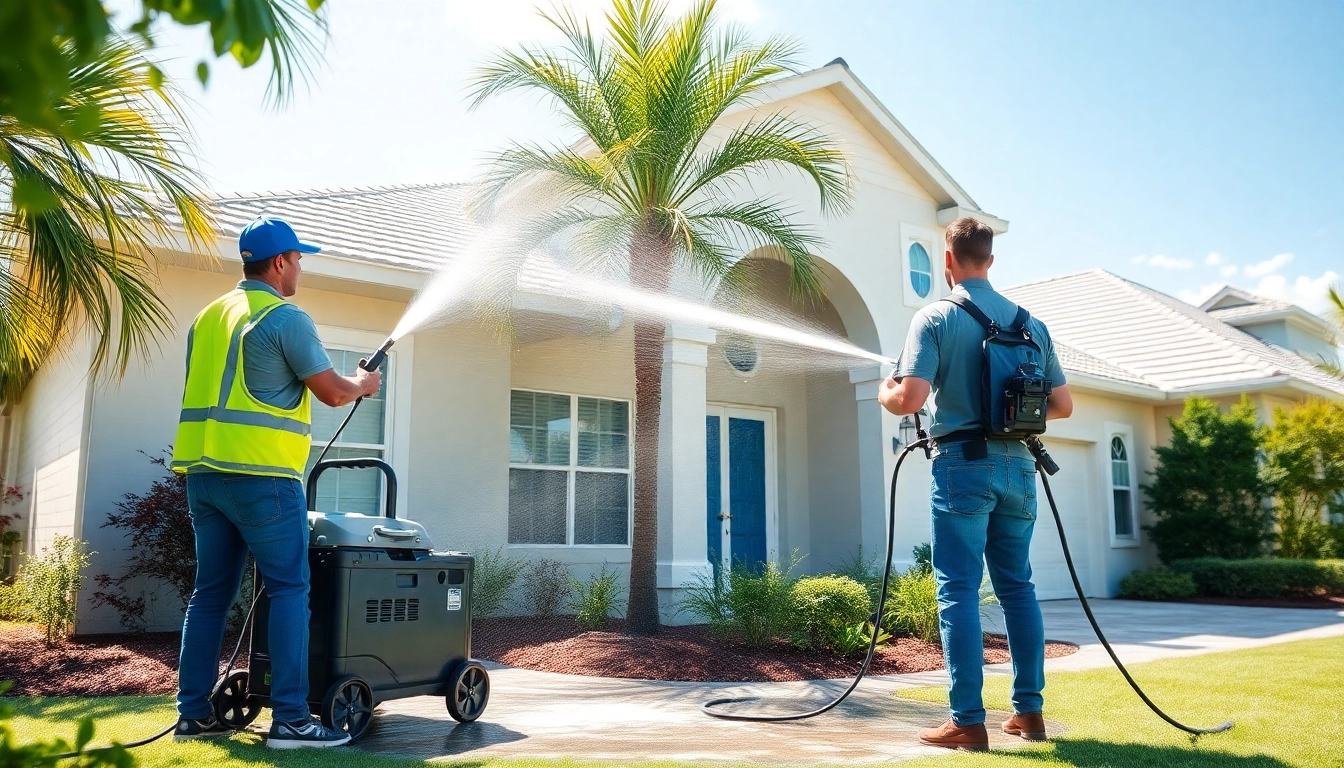
Soft washing is a cleaning method that utilizes low-pressure water combined with biodegradable cleaning solutions to gently remove dirt, algae, and other unsightly elements from various surfaces. Unlike traditional pressure washing, which can potentially damage delicate materials, soft washing is designed to be safe for roofs, siding, and windows.
- Efficient Cleaning: The biodegradable solutions used in soft washing break down grime, making it easier to wash away.
- Eco-Friendly: Soft washing employs environmentally safe chemicals, reducing the risk of harmful runoff.
- Long-Lasting Results: By not only cleaning but also killing algae and mold at the root, soft washing often results in a longer-lasting clean compared to traditional methods.
How Soft Wash Differs from Traditional Pressure Washing
While both soft washing and traditional pressure washing serve to clean exterior surfaces, they operate on fundamentally different principles. Pressure washing utilizes high-pressure water jets that can strip away layers of grime; however, this method can also lead to unwanted damage, especially on soft or porous materials.
In contrast, soft washing's low-pressure approach allows for safe cleaning of delicate surfaces, making it ideal for:
- Roofing materials
- Wood siding
- Stucco and painted surfaces
The key difference lies in the application technique and the cleaning agents utilized, with soft washing providing a gentler, yet effective, cleaning solution.
Ideal Surfaces for Soft Washing
Soft washing is particularly well-suited for a variety of surfaces that may be susceptible to damage from high-pressure water. Some examples include:
- Roofs: Soft washing can effectively remove moss, algae, and lichen without harming roofing materials.
- Siding: Whether vinyl, wood, or stucco, soft washing can maintain the appearance and integrity of home exteriors.
- Decks and Patios: Gentle cleaning eliminates stains and buildup while preserving the quality of the materials.
Top Reasons to Choose Soft Wash for Your Property
As property owners consider various cleaning options, the benefits of soft washing stand out for several reasons, particularly for maintaining aesthetics and protecting surfaces over time.
Eco-Friendly Cleaning Solutions Used in Soft Wash
One of the standout features of soft washing is the use of eco-friendly solutions. These biodegradable cleaning agents effectively tackle tough stains while being gentle on the environment. This commitment to environmentally safe practices not only benefits your property but also ensures local ecosystems remain unharmed.
Preventing Damage to Delicate Surfaces
Many homeowners fear that pressure washing will lead to damage, particularly on fragile surfaces like wood or composite materials. With soft washing, the risk of such damage is significantly reduced. By using low-pressure systems, property owners can rest assured that their surfaces will remain intact while still receiving a thorough cleaning.
Long-term Benefits of Soft Washing
Investing in soft washing can yield long-term benefits for property owners. By effectively removing mold, algae, and dirt, not only does soft washing enhance curb appeal, but it also prolongs the life of your exterior materials. Regular soft washing can lead to significant savings over time by preventing costly repairs and paint jobs that arise from neglect.
How to Prepare Your Property for Soft Washing
Preparation is key to achieving the best results from your soft washing service. Taking the time to prepare your property can help ensure the cleaning process goes smoothly and effectively.
Steps to Clear and Secure the Area
Before scheduling a soft wash, homeowners should take a few steps to prepare the area:
- Clear any outdoor furniture, decorations, or planters from the vicinity to allow easy access to surfaces.
- Close all windows and doors to prevent cleaning solutions from entering the property.
- Inform your soft washing service provider about any fragile areas or specific concerns you may have.
What to Expect During the Soft Wash Process
Once the area is prepared, expect the soft washing team to conduct a thorough assessment of the surfaces to be cleaned. The team will then apply a specially formulated cleaning solution to the surfaces, allowing it to dwell and break down dirt and grime effectively. Finally, the team will use low-pressure water to rinse the surfaces clean, leaving behind a refreshed appearance.
Recommended Maintenance Following a Soft Wash
After your property has been soft washed, maintaining the results can prolong the cleanliness and health of your surfaces. Here are some recommended maintenance tips:
- Regularly check for mold or algae growth, especially in shaded areas, and address issues promptly.
- Schedule routine soft washing every 1-2 years, depending on your location and environmental factors.
- Maintain gutters and downspouts to ensure proper drainage and avoid water buildup that can lead to grime formation.
Choosing the Right Soft Wash Service in Kissimmee
Selecting the right service provider for soft washing is crucial for achieving optimal results. Here are some tips to help you make an informed decision.
What to Look for in a Soft Wash Provider
When researching potential soft wash providers in Kissimmee, consider the following:
- Experience: Look for companies with a proven track record in soft washing.
- Insurance: Ensure the provider is fully insured to protect yourself from liability during the washing process.
- Eco-Friendly Practices: Inquire about the cleaning products used to guarantee they are safe for the environment.
Questions to Ask Potential Contractors
Before settling on a soft wash service, ask prospective contractors important questions, such as:
- What type of equipment and cleaning solutions do you use?
- Can you provide references from past customers?
- What is your approach to handling delicate surfaces?
Evaluating Reviews and Testimonials
Online reviews and testimonials play a crucial role in assessing a contractor's reputation. Take the time to read customer experiences, and look for patterns in feedback, particularly regarding reliability, quality of work, and customer service.
Future Trends in Soft Washing for 2025 and Beyond
As we look ahead, the soft washing industry is expected to evolve in several ways. Understanding these trends can help homeowners and business owners make informed decisions regarding their property maintenance.
The Growing Demand for Eco-Friendly Cleaning Practices
With increasing awareness of environmental issues, the demand for eco-friendly cleaning solutions will likely continue to rise. The soft washing industry is already responding to this trend by using biodegradable agents and sustainable practices, thus ensuring compliance with environmental standards.
Technological Advancements in Soft Washing Equipment
Advancements in technology will also play a pivotal role in the evolution of soft washing. New equipment that enhances efficiency and safety is becoming available, which can improve cleaning effectiveness and reduce water usage.
Predictions for the Soft Washing Industry
As soft washing gains popularity, we can expect to see more businesses offering specialized services in this area. This expansion will not only provide homeowners with more options but may also lead to competitive pricing and improved service quality across the industry.