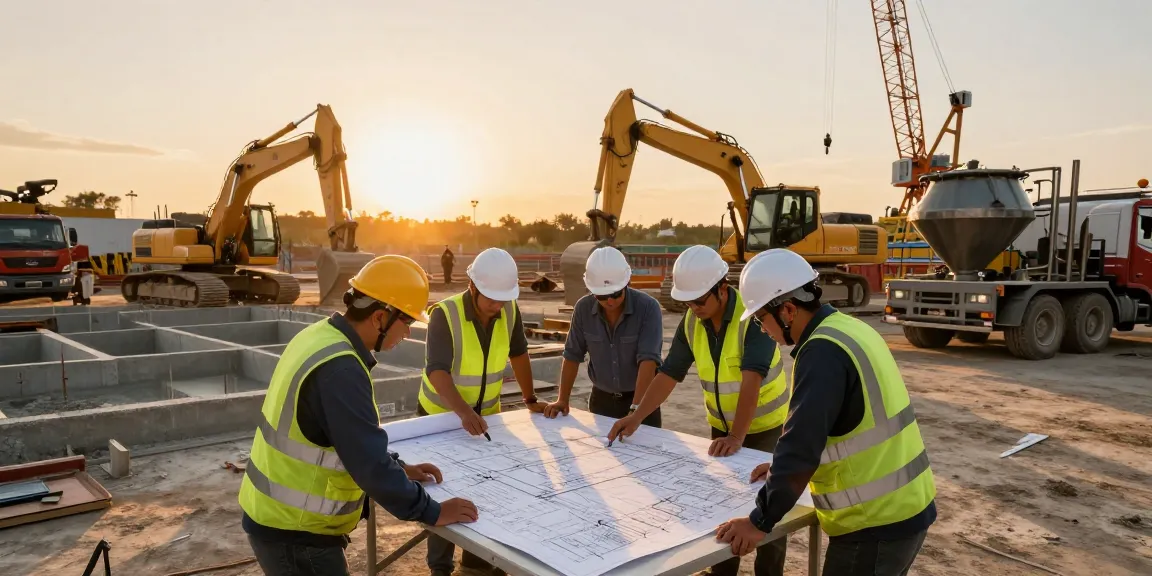
Understanding the Importance of Construction Safety Training
Defining Construction Safety Training
Construction safety training is a vital program designed to educate workers about potential hazards on construction sites and safe practices to mitigate those risks. This training encompasses various topics, including the use of protective equipment, hazard recognition, emergency procedures, and specific skill sets relevant to a worker's job role. Fundamentally, construction safety training aims to reduce accidents, injuries, and fatalities associated with the construction industry, which is considered one of the most hazardous working environments.
Key Benefits for Workers and Employers
Effective construction safety training provides numerous advantages for workers and employers alike. For workers, the most prominent benefit is the enhanced personal safety and well-being they experience while performing their tasks. Knowledge of safety protocols and risk management enables them to react appropriately in hazardous situations, thus reducing the likelihood of injury.
From an employer's perspective, investing in safety training translates to significant cost savings. Fewer workplace accidents mean lower worker compensation claims and decreased liability. Moreover, a culture that prioritizes safety can lead to improved employee morale, increased productivity, and a better overall reputation in the industry. Furthermore, regulatory compliance reduces the risk of costly fines associated with safety violations. As such, comprehensive construction safety training serves as a cornerstone for both safety and effective operational management in construction settings.
Common Challenges in Implementation
Despite its critical importance, implementing construction safety training can pose several challenges. One major hurdle is ensuring that the training is adequately tailored to the diverse workforce, which may include a variety of skills, language barriers, and levels of experience. Additionally, busy work schedules often lead to inadequate time for training sessions, causing organizations to undervalue the necessity of continuous education.
Costs associated with developing and conducting training, along with the potential disruption to ongoing projects, further complicate implementation efforts. Overcoming these challenges often requires a strategic approach to training development and logistics, emphasizing flexible scheduling, engaging training methods, and clear communication regarding the importance of safety in their roles.
Components of a Construction Safety Training Program
Curriculum Development and Content Creation
The foundation of any effective construction safety training program is well-developed curriculum content that speaks to the unique needs of the construction site and its workers. This content should encompass both theoretical knowledge and practical application relevant to the specific tasks performed within the work environment. In developing the curriculum, input from workers, safety professionals, and management is crucial in identifying potential hazards and understanding necessary competencies.
Standard topics may include personal protective equipment (PPE) requirements, machinery operation safety, fall protection, hazardous material handling, and basic first aid. The curriculum should also include updates on new equipment, evolving safety regulations, and technological innovations to ensure ongoing relevance. Additionally, incorporating interactive elements, such as quizzes or reflections, can enhance knowledge retention and engagement.
Engaging Delivery Methods for Effective Learning
To maximize the effectiveness of safety training, employing engaging and varied delivery methods is essential. Traditional lecture formats often lead to disengagement, thus alternative methods should be considered. Hands-on training ensures that workers can practice safety protocols in real-life scenarios, enhancing their understanding and confidence in applying what they've learned.
Blended learning approaches that combine online modules with in-person sessions offer flexibility and a breadth of knowledge, allowing workers to learn at their own pace while still benefiting from direct interaction with instructors and peers. Incorporating multimedia elements such as videos, infographics, and simulations can also promote better understanding and retention of complex concepts.
Incorporating Technology and Tools
In today's digital age, technology can significantly enhance safety training programs. Utilizing software tools and applications can streamline training enrollment, scheduling, and tracking progress. Furthermore, online safety training platforms offer interactive learning experiences that can be customized to suit different job roles and hazards.
Virtual reality (VR) training simulations are emerging as a revolutionary way to expose workers to hazardous situations in a controlled environment without the risk of actual injury. For instance, VR can recreate scenarios such as working from heights or operating heavy machinery, allowing trainees to practice their responses to emergencies. Utilizing technology not only modernizes training but also caters to the varied learning styles of a diverse workforce.
Best Practices for Conducting Safety Training Sessions
Creating a Safe Learning Environment
Establishing an environment conducive to learning is critical for effective safety training. This involves not only ensuring physical safety but also fostering a supportive atmosphere where trainees feel comfortable asking questions and expressing concerns. Instructors should be approachable and encourage open discussions to address any misconceptions or anxieties related to safety practices.
Additionally, providing appropriate seating, avoiding distractions, and ensuring adequate breaks during lengthy training sessions can enhance focus and retention. To further bolster safety, training sessions can begin with a discussion of expectations for safe behavior during the training process itself.
Utilizing Real-Life Scenarios and Hands-On Training
Integrating real-life scenarios into safety training fosters better understanding among trainees by connecting theory with practice. Providing examples of past incidents within the organization or industry helps highlight the potential consequences of negligence while demonstrating the efficacy of proper safety protocols.
Hands-on training that enables workers to practice equipment operation or emergency response techniques can reinforce their learning experience. Conducting mock drills for evacuation, fire safety, or equipment failures prepares workers for actual emergencies they may face, instilling a sense of confidence and readiness.
Evaluating Training Effectiveness and Outcomes
A crucial component of any training program is evaluating its effectiveness. Gathering feedback from participants, assessing their comprehension through quizzes, and observing behaviors on-site can provide valuable insights into the training’s impact. Pre- and post-training assessments can help measure knowledge gains and application of learned safety practices.
Additionally, establishing a feedback loop where trainees can share their thoughts about the training can lead to continuous improvement of the curriculum and delivery methods. This iterative process ensures that the training program evolves with the industry, remains relevant, and meets the changing needs of the workforce.
Regulations and Standards for Construction Safety Training
Understanding OSHA Guidelines
The Occupational Safety and Health Administration (OSHA) provides critical guidelines that govern workplace safety across many industries, including construction. OSHA's standards outline specific training requirements aimed at protecting workers from known hazards, including fall protection, scaffolding safety, hazardous materials handling, and more.
Construction employers are legally required to ensure that their workers receive training that adheres to OSHA regulations. Knowledge of these guidelines is paramount; compliance not only protects workers but also shields employers from hefty penalties and legal issues stemming from accidents or negligence.
Industry-Specific Compliance Requirements
In addition to OSHA guidelines, various industry-specific regulations exist that may mandate specific training requirements based on the type of construction being performed. For instance, electricians may need training on electrical safety standards and regulations, while those involved in demolition might require knowledge of hazardous material handling and site safety procedures. Understanding these industry-specific mandates ensures that the training program is comprehensive and compliant with all necessary legal frameworks.
Maintaining Up-to-Date Training Records
Accurate record-keeping of training sessions is essential for demonstrating compliance with regulations and ensuring that all workers are current with their safety education. Employers should maintain detailed records that include attendance, training materials, instructor information, and assessments of the training provided.
Regular audits of training records can identify knowledge gaps within the workforce, allowing employers to address specific needs proactively. Brief refresher courses can help maintain awareness of safety practices and ensure proper protocol adherence over time, reinforcing a culture of safety on the jobsite.
Measuring the Impact of Safety Training on Construction Sites
Key Performance Indicators for Safety Training
To assess the effectiveness of safety training programs, key performance indicators (KPIs) should be established. These metrics could include the number of workplace incidents before and after training, lost time due to accidents, or employee feedback on safety practices. Tracking these KPIs over time allows organizations to quantify the impact of safety training and make necessary adjustments to improve outcomes.
Additionally, evaluating overall safety culture through employee surveys and engagement can provide insights into the broader impact of training on organizational behavior and safety adherence.
Case Studies on Successful Safety Training Outcomes
Examining successful case studies in the industry can illuminate the real-world benefits of implementing robust safety training programs. For instance, a large construction firm that adopted a comprehensive multi-faceted safety training program reported a dramatic reduction in on-site injuries within a year. Employee retention also increased, as workers felt more secure and valued within a safe working environment.
Another notable study highlighted a small contractor who focused on continuous safety education and engaging training methods, resulting in lower insurance premiums and fewer OSHA citations. Sharing these success stories can motivate other companies to prioritize safety and cultivate comprehensive training programs that yield measurable results.
Continuous Improvement and Feedback Loops
Finally, continuous improvement is integral to any safety program's success. Regularly seeking feedback from employees about the training they receive creates a dynamic that encourages participation and enhances learning experiences. Additionally, analyzing incident reports and near misses can provide insights into further training needs, ensuring that the program adapts to new risks as they arise.
By fostering a culture that recognizes the importance of ongoing education and safety consciousness, construction firms can lead the way in minimizing risk and promoting a healthier, safer work environment for all involved.