Understanding Vapor Barrier Installation Basics
What is a Vapor Barrier?
A vapor barrier is a material designed to prevent moisture from entering an enclosed space, particularly basements and crawl spaces. Typically made from polyethylene plastic, these barriers are an essential component in maintaining dry conditions in areas where humidity and moisture problems can arise. By reducing vapor diffusion, a vapor barrier protects building structures, reduces the risk of mold, and improves the energy efficiency of a home.
Importance of Vapor Barrier Installation
The installation of a vapor barrier is crucial for numerous reasons. It significantly helps to prevent moisture-related issues that can lead to structural damage, like wood rot and corrosion. Additionally, having a vapor barrier reduces the risk of mold growth, which can pose health risks to occupants. Furthermore, by controlling moisture, a vapor barrier improves indoor air quality and contributes to energy efficiency, ensuring that your heating and cooling systems run more effectively. Proper Vapor Barrier Installation is, therefore, not just a preventive measure, but a strategic investment in your home's health and longevity.
Materials Used in Vapor Barrier Installation
The primary materials used in vapor barrier installation include polyethylene plastic sheeting, typically available in various thicknesses. Thicker materials (around 10-20 mils) offer better durability and resistance to tearing. Other materials may include tape for sealing seams, adhesive, or specialized barrier products designed for specific applications, such as reinforced barriers for high-moisture areas. Understanding the strengths and weaknesses of these materials is vital for homeowners looking to make informed decisions on vapor barrier installation.
Preparing for Vapor Barrier Installation
Assessing Your Crawl Space
Before installation, it’s essential to assess your crawl space carefully. Look for signs of moisture, such as damp spots, water pooling, or mold. Check for any existing insulation and evaluate its condition, as this may affect your vapor barrier's effectiveness. Measure the dimensions of your crawl space accurately to determine the amount of vapor barrier material needed. Additionally, look for any entry points where water may enter, such as cracks in the foundation, which you may need to seal before proceeding.
Gathering Necessary Tools and Materials
The next step involves gathering all essential tools and materials for vapor barrier installation. Tools such as utility knives, measuring tape, staple guns, and adhesive tape are typically required. It’s advisable to have additional accessories such as work gloves, knee pads, and a flashlight since crawl spaces can often be cramped and dark. Additionally, ensure that the vapor barrier material you choose is compatible with your specific needs, considering factors like thickness and durability.
Safety Precautions to Consider
Safety should be a paramount concern during vapor barrier installation. Ensure adequate ventilation in your work area to avoid inhaling dust or fumes. Wear protective clothing, gloves, and a mask, especially if you are working in a space with mold or other allergens. Additionally, be cautious of any hazardous situations, such as electrical hazards, unstable ground, or sharp objects. If your crawl space is particularly challenging to navigate, consider having a partner assist you during installation for increased safety.
Step-by-Step Guide for Vapor Barrier Installation
Measuring and Cutting the Barrier
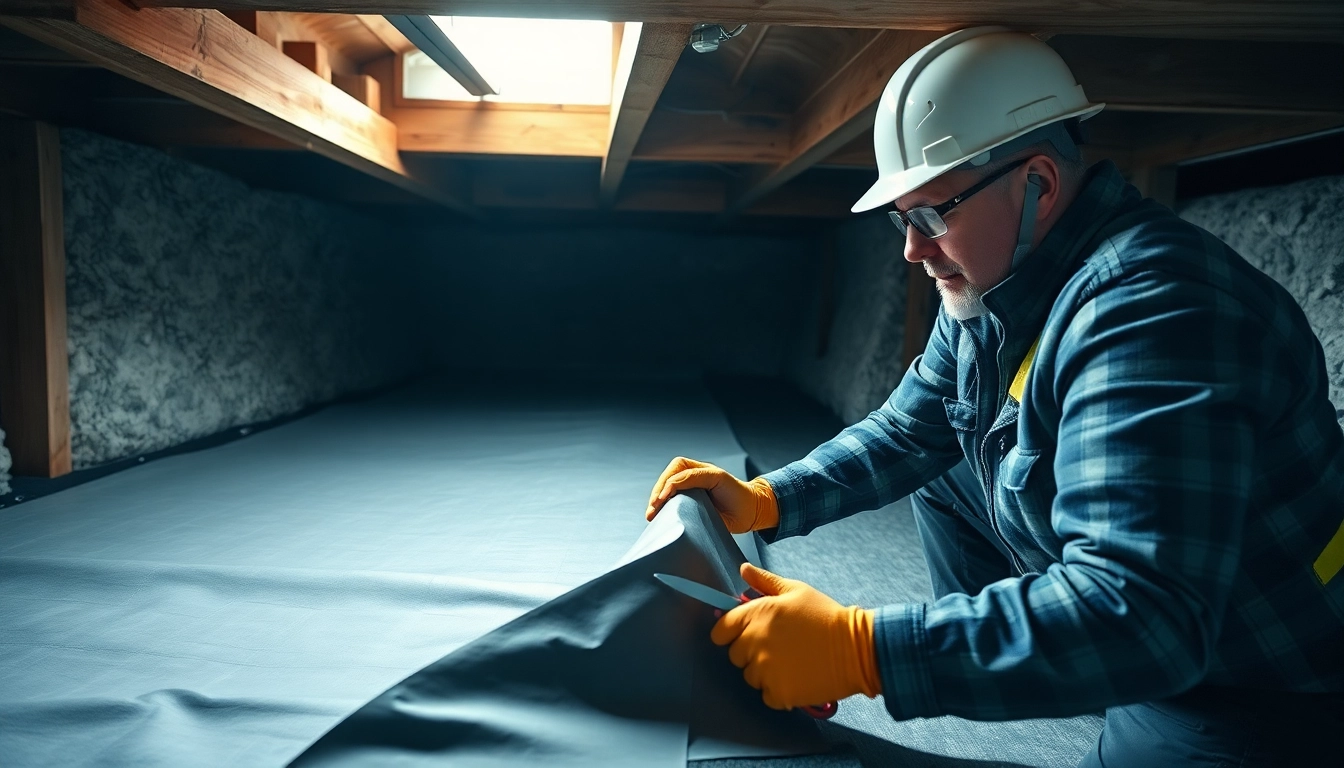
Start your installation by measuring the area where the vapor barrier will be placed, allowing for extra material to overlap at the edges. Using sharp utility knives, cut the vapor barrier material to the required dimensions, ensuring the cuts are straight to minimize waste. Be meticulous about measuring to avoid unnecessary seams or overlaps that can complicate the installation process.
Securing the Vapor Barrier
Once cut, lay out the vapor barrier on the ground of your crawl space. The material should be installed with the shiny side facing up since it is more effective in reflecting heat. To secure the barrier, use a staple gun to attach the material to the walls and beams of your crawl space. If the moisture level is particularly high in your area, applying adhesive to the edges before stapling can enhance the barrier’s effectiveness.
Sealing Joints and Edges
The final step in securing the vapor barrier involves sealing all joints and edges properly. Use waterproof tape to seal any seams in the vapor barrier, ensuring there are no gaps that moisture can penetrate. Pay particular attention to corners and edges where moisture may find its way in. By fully sealing the vapor barrier, you enhance its protective qualities and ensure long-lasting performance.
Common Challenges in Vapor Barrier Installation
Dealing with Moisture Issues
One of the most significant challenges during vapor barrier installation is addressing existing moisture issues in the crawl space. If you notice persistent moisture or leaks, it may be necessary to remedy these issues before installation. Consider using drainage systems or sump pumps to manage water accumulation. Additionally, proper landscaping can prevent water from pooling around the foundation, reducing moisture intrusion.
Handling Uneven Surfaces
Uneven surfaces can also complicate the installation of your vapor barrier. If your crawl space has rocky or sloped areas, consider leveling out the surface. Using gravel or soil can help create an even base for the vapor barrier. Alternatively, you may need to adjust the size of your vapor barrier to accommodate uneven ground, ensuring that it still fully covers the area without ripples or tears.
Identifying and Fixing Errors
Errors during installation can lead to significant problems later on. After initial installation, conduct a thorough inspection to ensure all edges are sealed, and the barrier lies flat against the ground. If any issues are identified—such as gaps or unsecured edges—address them immediately by resealing or reinforcing those areas. Regular checks and maintenance will help catch potential errors before they evolve into larger issues.
Maintenance and Performance Monitoring
Periodical Inspections of the Vapor Barrier
Maintenance of your vapor barrier involves regular inspections. Aim to inspect the barrier at least once a year or more frequently in high-moisture areas. During inspections, look for signs of wear, tears, or accumulating moisture under the barrier. Light should also not penetrate through seams, indicating that checks for proper sealing are necessary. Consistent monitoring ensures that any issues are identified early on and addressed promptly.
Signs of Wear or Damage
Being vigilant about the signs of wear can extend the lifespan of your vapor barrier. Common indicators include visible tears, discoloration, or dampness in the areas surrounding the barrier. If you notice mold growth or a musty smell in your crawl space, it’s crucial to verify the integrity of your vapor barrier immediately. Early identification of these symptoms can mitigate further damage and maintenance costs.
When to Call a Professional
While many homeowners can successfully install and maintain a vapor barrier, certain scenarios may warrant the expertise of a professional. If you encounter severe moisture issues, structural concerns, or difficult-to-manage installation conditions, it may be time to consult an expert. Professional evaluation can provide tailored solutions that ensure the longevity and effectiveness of your moisture control systems.
Frequently Asked Questions
1. How long does a vapor barrier last?
A properly installed vapor barrier can last many years, typically 10-20 years, depending on the materials used and environmental conditions.
2. Can I install a vapor barrier myself?
Yes, many homeowners can install a vapor barrier themselves with the right tools, safety measures, and instructions, although complicated cases may require professional help.
3. Do I need to remove old insulation before installation?
It is recommended to remove old, wet, or damaged insulation before installing a vapor barrier to avoid mold growth and ensure efficacy.
4. What thickness is best for a vapor barrier?
A thickness of 10-20 mils is recommended for most residential applications, with thicker options offering better durability and resistance.
5. How can I tell if my vapor barrier is effective?
Check for moisture accumulation, mold growth, or musty odors. Regular inspections can help assess the barrier's effectiveness over time.