In an age where technology is advancing at an unprecedented pace, safeguarding your property has become both a necessity and a responsibility. Modern Security Systems offer a range of solutions that go beyond traditional locks and alarms, integrating advanced sensors, smart monitoring, and remote access features to ensure your home or business remains protected at all times. This comprehensive guide delves into the most innovative security systems, their features, benefits, and how to choose the right solution for your specific needs.
The Evolution of Security Systems
Security has always been a priority for property owners, but the approach to protection has evolved dramatically over the decades. Traditional security systems relied heavily on physical barriers such as locks, safes, and security guards. While these methods provided some level of protection, they lacked the sophistication and adaptability required to counter modern threats.
The emergence of digital technology revolutionized the field. Early electronic systems, including basic alarms and surveillance cameras, began replacing purely mechanical solutions. These systems allowed for faster response times and better documentation of incidents. Over time, security systems have evolved to incorporate smart technology, artificial intelligence, and cloud-based monitoring, offering a proactive and intelligent approach to security.
Today, security systems are not just reactive—they are predictive. Modern systems can detect unusual patterns, alert property owners and authorities in real time, and even integrate with other smart home or business management systems. This evolution has created a landscape where property security is more comprehensive, efficient, and customizable than ever before.
Core Components of Modern Security Systems
Understanding the core components of security systems is essential to choosing the right setup for your property. While the complexity of these systems varies, most modern solutions consist of the following elements:
Surveillance Cameras
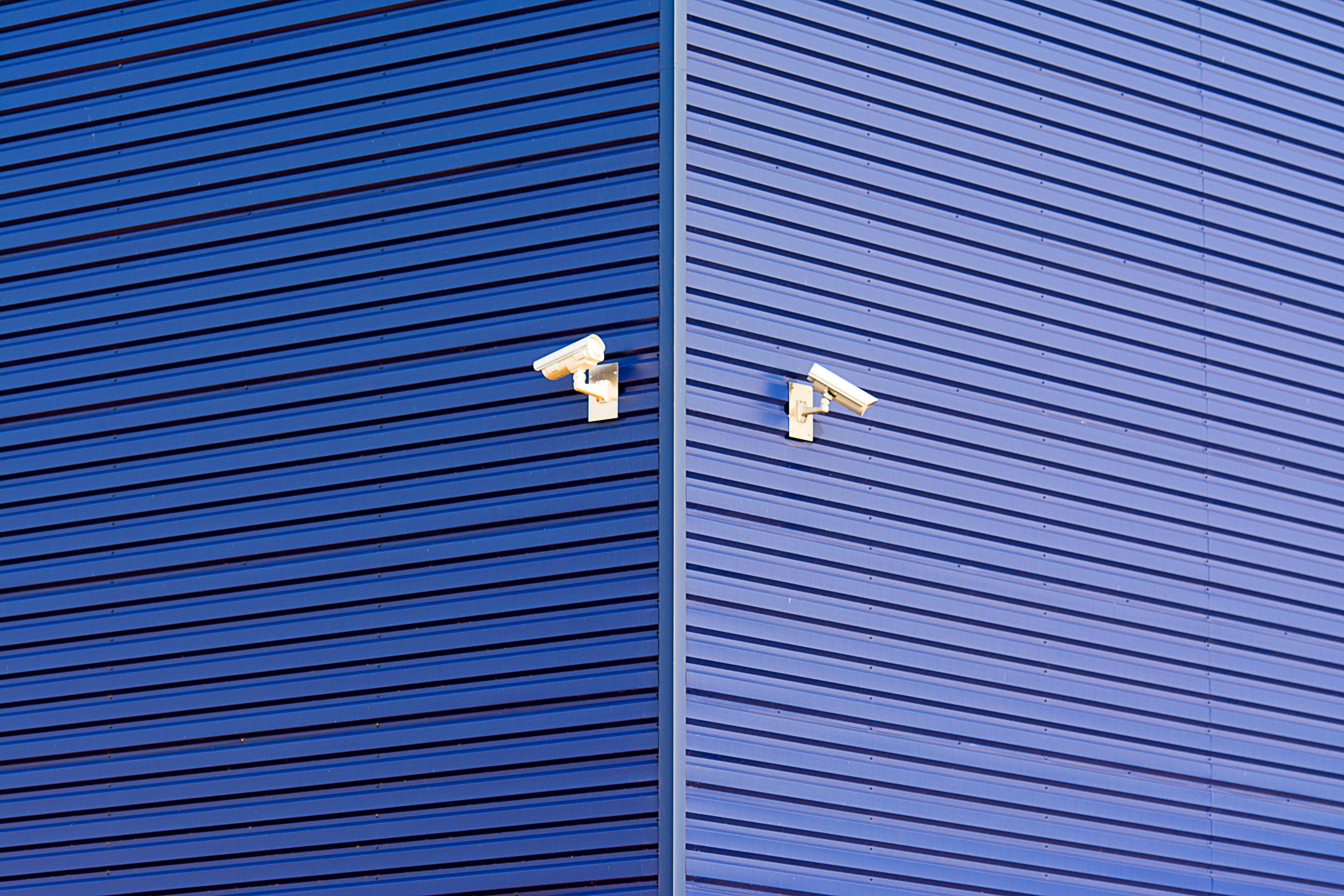
Surveillance cameras are the eyes of any security system. High-definition cameras with night vision, wide-angle lenses, and motion detection capabilities allow property owners to monitor their premises continuously. Modern systems often feature AI-powered cameras that can differentiate between humans, animals, and objects, reducing false alarms and increasing reliability.
Sensors and Alarms
Sensors are a critical aspect of security systems. These include motion sensors, door and window sensors, glass-break detectors, and environmental sensors such as smoke and carbon monoxide alarms. By detecting unusual activity or hazardous conditions, these sensors provide immediate alerts to homeowners or business managers, ensuring timely responses to potential threats.
Access Control
Access control systems manage who can enter specific areas within a property. Biometric scanners, keypads, card readers, and mobile app access provide secure entry while logging all access attempts. Integrating access control with your security system ensures that only authorized individuals can gain entry, significantly reducing the risk of unauthorized intrusions.
Remote Monitoring
One of the most transformative aspects of modern security systems is remote monitoring. Through mobile apps or web platforms, property owners can monitor their premises in real time from anywhere in the world. Remote monitoring enhances convenience and peace of mind, enabling instant action in response to alerts or emergencies.
Integration with Smart Home Technology
Modern security systems increasingly integrate with smart home technology, allowing for seamless operation with devices such as smart locks, lighting, thermostats, and voice assistants. This integration enables automated responses, such as turning on lights when motion is detected or locking doors remotely, creating a cohesive and intelligent security environment.
Types of Security Systems
Selecting the right type of security system requires understanding the available options and how each aligns with your property’s unique needs.
Wired Security Systems
Wired systems are traditional setups where cameras, sensors, and alarms are connected through physical wiring. These systems are highly reliable and less susceptible to interference, making them suitable for large properties where consistent performance is critical. Wired security systems often require professional installation and can be more challenging to expand, but they provide a stable, long-term security solution.
Wireless Security Systems
Wireless security systems offer flexibility and ease of installation. Devices communicate through Wi-Fi or proprietary radio frequencies, allowing for scalable setups without extensive wiring. Modern wireless systems are often battery-powered and include features such as cloud storage, mobile alerts, and integration with other smart devices. While convenient, wireless systems may require periodic battery replacements and robust network security to prevent hacking.
DIY Security Systems
DIY security systems have grown in popularity due to their affordability and customization options. These systems typically include wireless components that homeowners can install themselves, often featuring mobile apps for configuration and monitoring. DIY setups are ideal for renters, small properties, or those looking for a hands-on approach to security without long-term contracts or installation fees.
Professional Monitored Systems
Professional monitoring adds an extra layer of security to any security system. These systems connect to a central monitoring center that is staffed 24/7. When an alert is triggered, trained personnel assess the situation and contact the property owner or emergency services as needed. While more expensive than self-monitored systems, professionally monitored security systems provide unparalleled reliability and rapid response in critical situations.
Benefits of Investing in Advanced Security Systems
Modern security systems offer a multitude of benefits beyond mere protection. Understanding these advantages can help property owners make informed decisions when selecting a system.
Enhanced Safety and Protection
The primary benefit of any security system is enhanced safety. By monitoring entrances, detecting unusual activity, and providing real-time alerts, these systems deter criminals and reduce the likelihood of theft, vandalism, or other incidents. A well-designed system can also protect occupants from environmental hazards such as fires, gas leaks, or flooding.
Peace of Mind
Knowing that your property is continuously monitored provides peace of mind. Remote access and mobile notifications allow property owners to stay informed and respond promptly to any potential threats. This sense of security is invaluable for families, business owners, and those who travel frequently.
Cost Savings
While installing a security system involves upfront costs, it can result in long-term savings. Many insurance providers offer discounts for properties equipped with monitored or advanced security solutions. Additionally, preventing theft, property damage, or accidents can save significant costs over time.
Property Value Enhancement
Advanced security systems can increase property value by providing buyers with confidence in the safety and protection of the premises. A home or business equipped with modern security features is often seen as more desirable and can command higher market value.
Customization and Scalability
Modern systems are highly customizable, allowing property owners to tailor solutions to their specific needs. Whether it’s adding cameras, upgrading sensors, or integrating with smart home devices, scalable security systems ensure that your investment remains relevant as your property or requirements evolve.
Choosing the Right Security Systems for Your Property
Selecting the right security system requires careful consideration of your property’s size, layout, occupancy, and specific security challenges. Here are the key factors to consider:
Assessing Your Security Needs
Begin by identifying potential risks and vulnerabilities. Consider the location of your property, the likelihood of break-ins, environmental hazards, and the presence of valuable assets. Evaluating these factors helps determine the type and complexity of the security system required.
Budget Considerations
Cost is a critical factor when choosing security systems. While it is tempting to opt for the cheapest solution, investing in a reliable, feature-rich system often proves more economical in the long run. Balance upfront costs with ongoing maintenance, monitoring fees, and potential savings from insurance discounts or prevented losses.
System Features
Examine the features offered by different security systems, such as camera resolution, sensor sensitivity, remote access, and integration with other devices. Prioritize features that align with your property’s specific needs and security goals.
Installation and Maintenance
Consider whether you prefer a professionally installed and monitored system or a DIY setup. Professional installations provide expert setup and ongoing support, while DIY systems offer flexibility and lower costs. Additionally, evaluate the maintenance requirements to ensure your system remains functional and up to date.
User Experience
A security system should be intuitive and user-friendly. Mobile apps, dashboards, and notifications should be easy to navigate, allowing property owners to monitor and control their system efficiently. Poor user experience can lead to neglect, reducing the effectiveness of your security investment.
Emerging Trends in Security Systems
The field of security technology continues to evolve rapidly. Staying informed about emerging trends helps property owners make forward-thinking decisions.
Artificial Intelligence and Machine Learning
AI-powered security systems analyze patterns, detect anomalies, and differentiate between routine and suspicious activity. Machine learning algorithms continually improve system accuracy, reducing false alarms and increasing overall reliability.
Cloud-Based Storage and Monitoring
Cloud integration allows for remote storage of video footage and sensor data, enhancing accessibility and security. Cloud-based security systems enable property owners to access real-time data and historical records from any device, eliminating the risk of local data loss due to theft or damage.
Smart Home Integration
The convergence of security and smart home technology allows for automation and improved efficiency. Modern security systems can trigger lighting, lock doors, or adjust thermostats based on detected activity, creating a proactive and integrated security environment.
Cybersecurity for Security Systems
As security systems become more connected, cybersecurity has emerged as a critical concern. Protecting systems from hacking, data breaches, and unauthorized access ensures that digital security complements physical security effectively.
Conclusion
Investing in innovative security systems is no longer optional; it is a fundamental aspect of responsible property ownership. Modern systems provide comprehensive protection, integrating advanced surveillance, sensors, access control, and remote monitoring. By understanding the features, benefits, and considerations outlined in this guide, property owners can select a security system that aligns with their unique needs, ensuring peace of mind and long-term security. Whether you opt for a DIY solution, a professional monitoring service, or a fully integrated smart system, the right investment in security technology protects not just your property but also the people and assets that matter most. Find everything you need to know on our main site.
Frequently Asked Questions
What are the most important features to look for in a security system?
When selecting a security system, prioritize high-definition surveillance cameras, motion and environmental sensors, remote monitoring, and integration with smart home devices. Reliable alert systems and professional monitoring options also enhance protection.
Can I install a security system myself, or should I hire a professional?
DIY security systems are ideal for smaller properties or those with flexible budgets, offering easy installation and customization. Professional installation is recommended for larger properties or complex setups, ensuring optimal performance and ongoing support.
How do security systems prevent false alarms?
Modern security systems use advanced sensors and AI-powered cameras to distinguish between genuine threats and harmless activity, such as pets or environmental changes. This reduces false alarms and ensures that alerts are accurate and actionable.
Are security systems worth the investment?
Yes, investing in a security system provides long-term benefits, including enhanced safety, peace of mind, insurance savings, and increased property value. Modern systems are scalable and adaptable, making them a worthwhile investment for both homes and businesses.
Can security systems integrate with other smart devices?
Absolutely. Most modern security systems integrate seamlessly with smart home or office devices, including locks, lighting, thermostats, and voice assistants. This integration allows for automated responses and a comprehensive, intelligent security environment.