Understanding Structural Steel Construction
Structural steel construction is a critical aspect of modern engineering and architecture, playing a pivotal role in the integrity and durability of various structures. As the demand for safe, sustainable, and efficient building materials grows, structural steel stands out for its versatility, strength, and ease of fabrication. Through comprehensive planning and execution, structural steel offers a reliable solution across diverse industries, facilitating complex designs and large spans. In this extensive exploration, we delve deep into the facets of structural steel construction, spanning from basic definitions to future trends impacting the field.
What is Structural Steel?
Structural steel is a category of steel used for making construction materials in a variety of shapes. It typically comes in the form of beams, columns, and plates, and is engineered to bear loads and withstand the dimensions dictated by engineering and design requirements. The most common structural steel grades include S235, S275, and S355, which refer to different yield strengths.
Structural steel is characterized by its high strength-to-weight ratio, fire resistance, and flexibility. These properties make it an ideal choice for a wide variety of construction projects, ranging from residential homes to skyscrapers and bridges.
The Importance of Structural Steel in Modern Engineering
The importance of structural steel in modern engineering cannot be understated. Its unique properties allow engineers and architects to create innovative designs while adhering to safety standards. Structural steel provides the following key advantages:
- Load-Bearing Capacity: Structural steel's inherent strength allows it to bear heavy loads, making it suitable for tall buildings and large spans.
- Speed of Construction: Prefabricated components can be assembled on-site, significantly reducing construction time and labor costs.
- Design Flexibility: Structural steel can be shaped to meet various aesthetic and performance requirements, paving the way for creative architectural solutions.
Advantages of Using Structural Steel
Choosing structural steel for construction projects provides numerous advantages, including:
- Durability: Structural steel is resistant to many environmental factors, such as corrosion, fire, and pests, ensuring longevity.
- Recyclability: At the end of its lifecycle, steel can be reused or recycled without losing its properties, which aligns with sustainable construction goals.
- Cost-Effectiveness: While initial costs may be higher, the long-term savings associated with maintenance, energy efficiency, and durability are significant.
Key Components of Structural Steel Construction
Main Types of Structural Steel Used
The main types of structural steel used in construction include:
- Wide Flange Beams (W Beams): These have a wide flange that provides high strength and are commonly used in buildings, bridges, and other structures.
- I-Beams: Similar to wide flange beams but with different dimensional characteristics, I-beams are often used in floors and ceilings.
- Channel Steel (C Shapes): Channel steel is used primarily in building applications, providing structural support for walls and frames.
- Angle Steel: These L-shaped sections are typically used in bracing and support applications, adding stability to structures.
Design Principles for Structural Integrity
The design principles that underpin structural integrity involve several factors:
- Load Analysis: Understanding and calculating the types of loads (dead, live, wind, and seismic) that a structure will encounter is fundamental for safety.
- Material Strength: Selecting appropriate grades of structural steel based on the specific demands of the project ensures safety and performance.
- Connection Design: Effective connections between steel members are critical, as they transfer loads and forces through the structure.
Fabrication Processes Explained
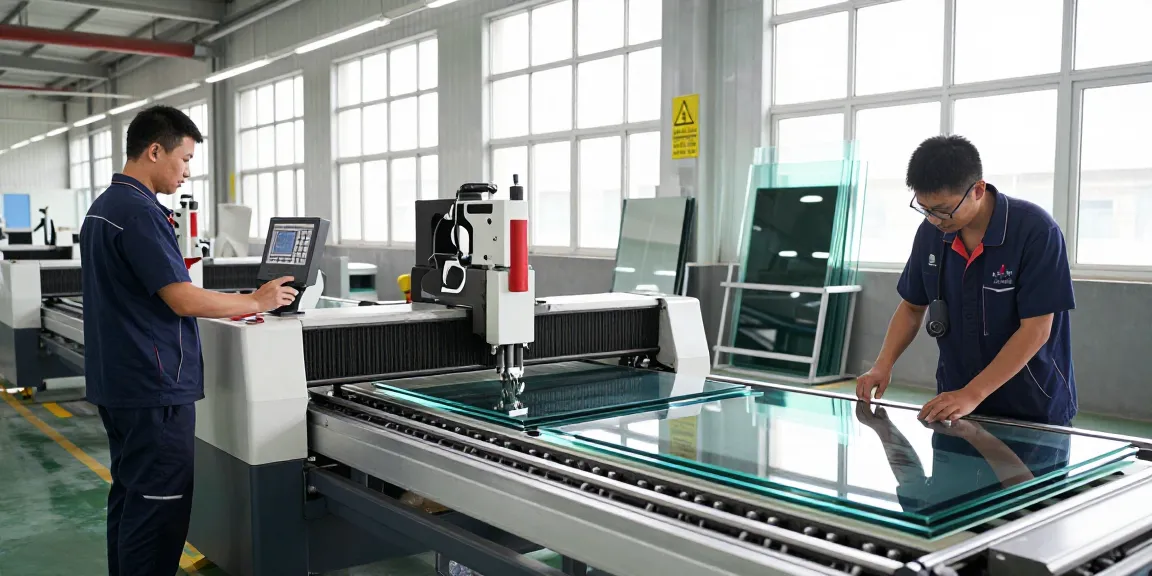
Fabrication of structural steel components involves several key processes:
- Cutting: Structural steel members are cut to specified lengths and shapes using saws, plasma torches, or water jets.
- Bending: Steel can be bent into various shapes as required, which is essential for achieving complex designs.
- Welding: Joints between steel members are often welded for strength and durability, adhering to stringent regulations and standards.
- Coating: Applying protective finishes ensures corrosion resistance and enhances aesthetic appeal.
Best Practices in Structural Steel Construction
Safety Measures for Steel Construction
Implementing safety measures in structural steel construction is imperative for protecting workers and ensuring project success:
- Training: Regular safety training ensures that all workers understand the risks and proper safety protocols.
- Equipment Inspection: Regular checks on construction equipment to ensure they are in good working order prevent accidents.
- Personal Protective Equipment (PPE): Providing appropriate protective gear for workers is essential for minimizing workplace injuries.
Quality Control in Materials and Processes
Quality control in structural steel construction encompasses several practices that ensure materials and processes meet regulatory and performance standards:
- Material Testing: Testing steel samples for strength, weldability, and fatigue resistance ensures they meet required specifications.
- On-Site Inspections: Regular inspections during fabrication and construction help catch potential issues early.
- Documentation: Maintaining thorough records of material certifications and inspection reports enhances traceability and accountability.
Efficient Project Management Techniques
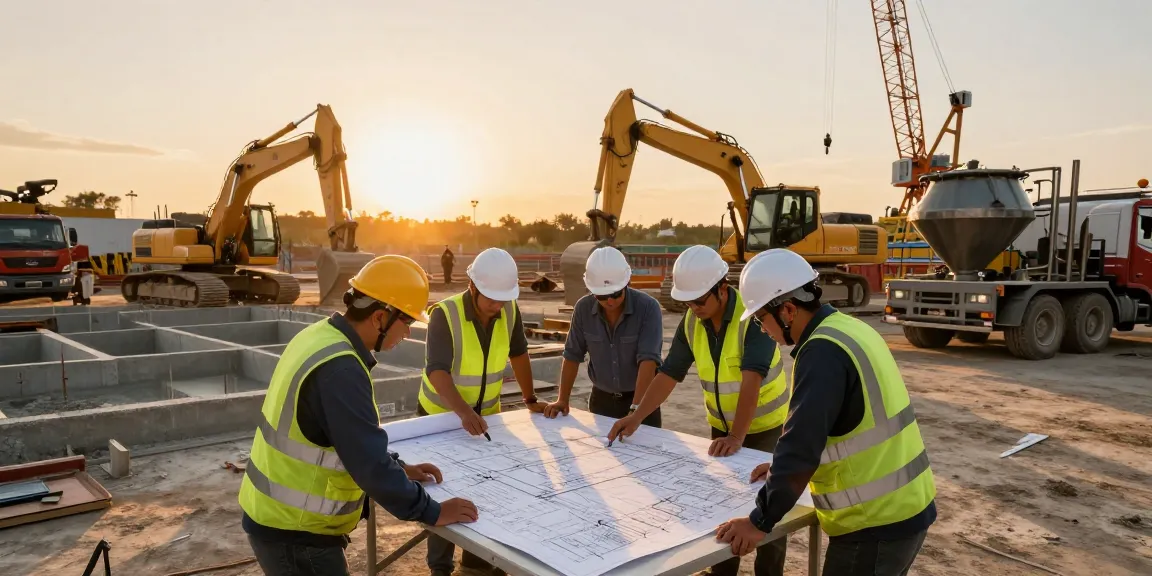
Effective project management is vital in ensuring that structural steel construction projects are completed on time and within budget:
- Scheduling: Developing a detailed project timeline with milestones helps keep all stakeholders informed and accountable.
- Resource Management: Efficient allocation of resources, both human and material, ensures that the project runs smoothly.
- Collaboration: Ensuring open lines of communication between architects, engineers, and construction teams fosters a collaborative environment.
Applications of Structural Steel in Various Industries
Commercial Construction Projects
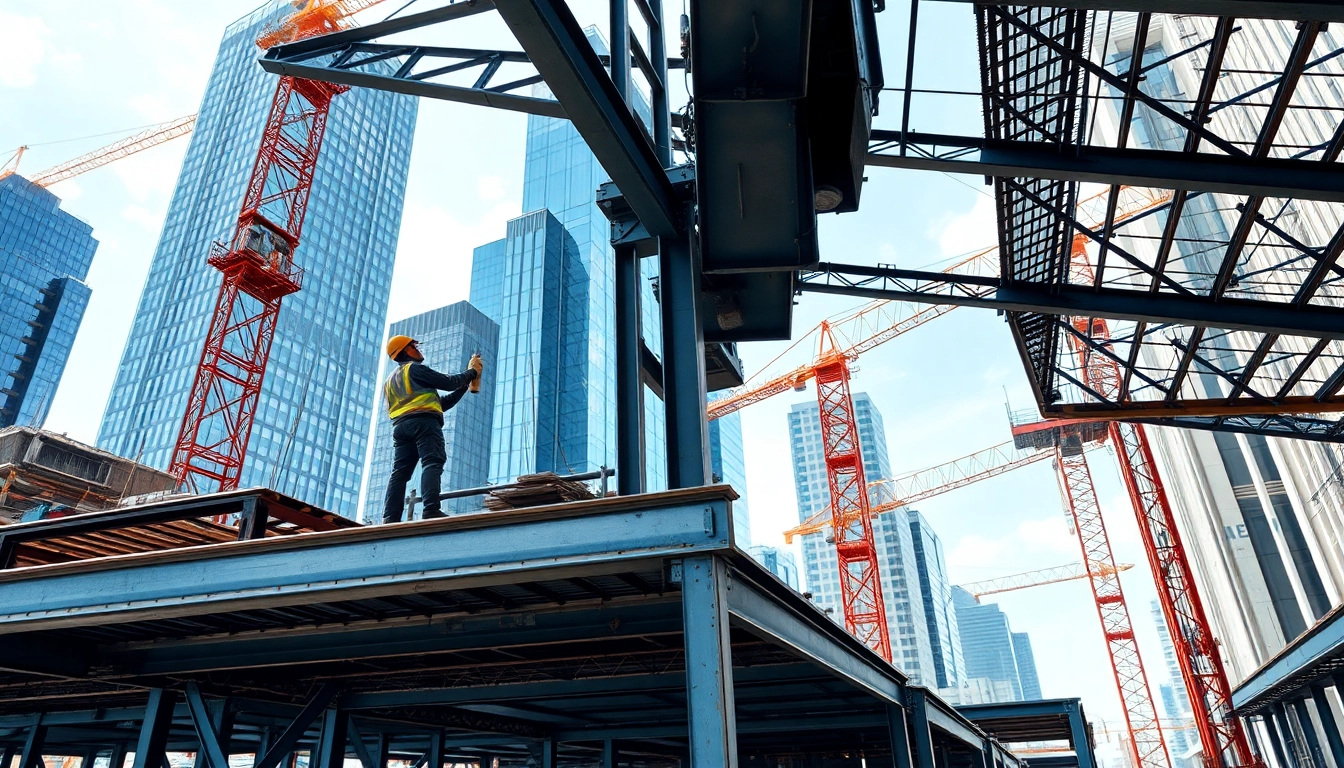
In commercial construction, structural steel is a preferred material for high-rise buildings, shopping complexes, and warehouses. Its superior strength allows for expansive open spaces, crucial for engaging retail environments.
For instance, the Burj Khalifa in Dubai is renowned for its innovative use of structural steel, allowing it to reach unprecedented heights while maintaining structural integrity.
Infrastructure Development Examples
Structural steel has a significant application in infrastructure, particularly in bridges, highways, and railways. The Golden Gate Bridge in San Francisco is a prime example of the effective use of steel to create both functional and aesthetic engineering marvels.
Furthermore, steel beams are used extensively in highway overpasses and railway stations, providing essential support for heavy loads and extensive spans.
Innovative Uses in Contemporary Architecture
Contemporary architecture increasingly embraces structural steel for its aesthetic versatility and structural capabilities. Iconic modern buildings leverage steel's flexibility to create unique shapes and facades. Examples include the Sydney Opera House and The Shard in London, which both utilize steel frameworks to support their intricate designs.
Moreover, sustainable practices are being integrated into these designs, with architects using recycled steel and innovative connections to minimize environmental impact.
Future Trends in Structural Steel Construction
Emerging Technologies in Steel Engineering
The future of structural steel construction is evolving with advancements in technology. Building Information Modeling (BIM) offers a comprehensive view of structural projects, allowing engineers to plan and visualize designs effectively. This technology enhances collaboration, enabling stakeholders to address issues before they arise, ultimately leading to reduced costs and improved efficiencies.
Furthermore, 3D printing is entering the scene, enabling the creation of intricate steel components that would be challenging to achieve through traditional methods.
Sustainability Practices in Steel Production
As the emphasis on sustainability continues to grow, the steel industry is adapting by adopting energy-efficient practices and using sustainable raw materials. The introduction of electric arc furnaces reduces emissions and energy consumption compared to traditional blast furnaces.
Additionally, many companies are focusing on the recycling of scrap metal, with the potential to reduce landfill waste and promote a circular economy. These practices contribute to a significant reduction in the carbon footprint of structural steel production.
Preparation for Post-Pandemic Construction Shifts
The COVID-19 pandemic has reshaped construction paradigms, prompting a reevaluation of project management and worker safety protocols. The future of structural steel construction will likely include enhanced focus on modular construction methods, which allow for faster project completion and reduced on-site labor.
Furthermore, there is a growing trend toward remote work and digital collaboration, streamlining processes and improving communication among project teams.
This article provides a comprehensive overview of structural steel construction, covering the essential components, best practices, and future trends shaping the industry. As the demand for resilient and sustainable infrastructure continues to rise, understanding these factors becomes increasingly important for decision-makers in construction and engineering.