What is a Warehouse? Understanding Its Definition and Purpose
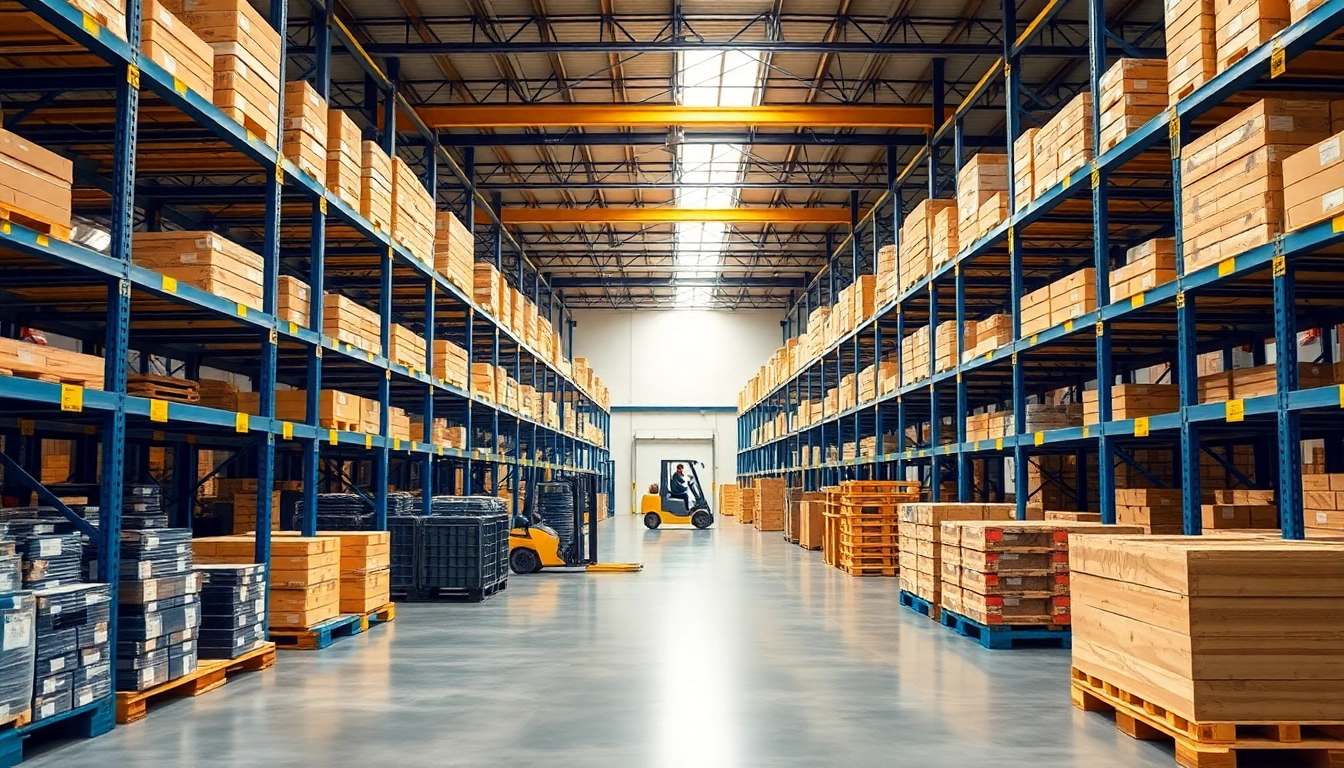
A Warehouse is fundamentally a large building designed for the storage of goods. These facilities are integral to the supply chain, serving as a hub where products are stored before they are distributed to retailers or directly to customers. Traditionally, warehouses have been associated with materials handling and shipping, but their roles have evolved significantly in the modern economy. They are no longer merely storage spaces; they have become critical components of logistics and supply chain management.
The Role of Warehouses in Supply Chain Management
In the realm of supply chain management, warehouses function as vital links within the logistical and distribution networks. They are strategically positioned to minimize transportation costs and optimize delivery timelines. By enabling companies to stockpile inventory, warehouses ensure that products are readily available to meet customer demand while simultaneously reducing the risks associated with stockouts and excess inventory.
The role of warehouses can be broken down into several key functions:
- Storage: Warehouses provide space for products that are not immediately needed. This storage is crucial for balancing supply and demand fluctuations.
- Order Fulfillment: Many warehouses are equipped to pick, pack, and ship orders, making them essential for e-commerce operations where rapid delivery is paramount.
- Consolidation: Warehouses often serve as points where products from various suppliers are collected and consolidated for distribution to retailers.
- Inventory Management: Advanced warehouse management systems (WMS) track stock levels in real-time, guiding inventory practices and forecasting needs.
Types of Warehouses: Distribution Centers vs. Storage Facilities
Warehouses can generally be categorized into two distinct types: distribution centers and storage facilities. Understanding these categories is crucial for businesses seeking to optimize their operations:
Distribution Centers
Distribution centers are highly specialized warehouses that focus on rapidly moving goods out to retailers or customers. These facilities are equipped with advanced systems for processing orders, including automation and robotics, which streamline operations and reduce handling times significantly.
Storage Facilities
In contrast to distribution centers, storage facilities are primarily designed to hold inventory for extended periods. They generally feature simpler layouts without the need for sophisticated order-processing technologies. Businesses that require long-term storage of goods, such as raw materials or seasonal products, commonly utilize these types of warehouses.
Key Features of a Modern Warehouse
Modern warehouses incorporate several advanced features that differentiate them from traditional storage facilities. These features enhance efficiency, safety, and inventory management:
- Automation: Many warehouses today utilize automated storage and retrieval systems (AS/RS), conveyor systems, and robotics to improve speed and accuracy in handling goods.
- Technology Integration: Warehouse management systems (WMS) and enterprise resource planning (ERP) systems are increasingly integrated, providing real-time data analysis and inventory management capabilities.
- Sustainability Initiatives: Many businesses are focusing on sustainable practices, including energy-efficient lighting, eco-friendly building materials, and waste reduction programs to minimize their environmental impact.
Essential Warehouse Management Practices
Effective warehouse management is crucial for maximizing efficiency and minimizing costs. Here are several best practices that can streamline operations:
Inventory Control Techniques
Maintaining accurate inventory levels is a fundamental aspect of effective warehouse management. Businesses utilize a variety of techniques to manage their inventory, including:
- First In, First Out (FIFO): This method ensures that products are sold in the order they were received, which helps prevent spoilage or obsolescence.
- ABC Analysis: This technique categorizes inventory into three classes (A being the most valuable and C being the least) to prioritize management focus.
- Cycle Counting: Regular audits of smaller sections of inventory can help maintain accuracy without the need for complete inventory overhauls.
Effective Layout Design for Maximum Efficiency
The layout of a warehouse dramatically influences its operational efficiency. A well-designed warehouse layout streamlines the flow of goods, maximizes space utilization, and reduces unnecessary movement. Key considerations in warehouse design include:
- Flow of Goods: The layout should facilitate a logical flow from receiving to storage to shipping, minimizing unnecessary backtracking.
- Space Utilization: Vertical storage solutions, such as pallet racking systems, can increase capacity without requiring additional floor space.
- Safety Considerations: Clear paths and designated areas for pedestrians can enhance safety and reduce accident risks.
Understanding Warehouse Automation Technologies
The advent of automation technologies in warehouses has revolutionized inventory management and order fulfillment processes. Key technologies include:
- Automated Guided Vehicles (AGVs): These vehicles transport goods within the warehouse, reducing human labor and increasing efficiency.
- Robotics: Automated picking systems utilize robots to retrieve items from shelves, significantly speeding up order processing times.
- Warehouse Management Software: WMS that include artificial intelligence capabilities help optimize inventory management and enhance decision-making processes.
Challenges Faced in Warehouse Operations
Despite the advances in warehouse technology and management practices, several challenges persist. Addressing these challenges is crucial to maintaining operational efficiency.
Common Issues in Warehouse Management
Common obstacles in warehouse management include:
- Inventory Discrepancies: Errors in inventory tracking can lead to stockouts or overstock situations, both of which impact customer satisfaction.
- Space Limitations: As businesses grow, warehouses can quickly outgrow their capacity, leading to chaotic inventories.
- Manual Processes: Relying on manual order handling and inventory checks can increase errors and slow down operations.
How to Overcome Labor Shortages in Warehousing
Labor shortages have emerged as a significant challenge for warehouse operations, exacerbated by the demands of e-commerce and changing workforce dynamics. Strategies to mitigate labor shortages include:
- Investing in Automation: Implementing automation can reduce reliance on manual labor, allowing businesses to maintain productivity with fewer employees.
- Improving Work Conditions: Enhancing working conditions, including ergonomic improvements and competitive compensation, can attract and retain talent.
- Flexible Work Arrangements: Offering flexible scheduling options can appeal to a broader workforce, including students and part-time workers.
Impact of E-commerce on Warehouse Needs
The surge in e-commerce has dramatically altered how warehouses operate. The demand for faster shipping and more intricate inventory systems has led to significant changes:
- Increased Order Volumes: E-commerce businesses often deal with a higher volume of smaller orders, necessitating more efficient order processing systems.
- Need for Speed: Consumers expect rapid delivery, pushing warehouses to optimize their processes for quicker fulfillment.
- Omni-channel Fulfillment: Many warehouses now have to handle orders coming from multiple channels, requiring flexible layouts and technology integration.
Best Practices for Warehouse Safety and Compliance
Safety in warehouse operations is paramount, as warehouses can be hazardous workplaces. Effective safety practices can prevent accidents and ensure compliance with regulations.
Creating a Safe Working Environment in Warehouses
Developing a safe working environment involves implementing safety protocols, conducting regular safety audits, and providing training:
- Safety Protocols: Establishing clear safety guidelines helps employees know how to avoid common hazards.
- Regular Audits: Conducting safety audits periodically ensures that safety measures are up to date and identifies potential hazards.
- Employee Engagement: Involving employees in safety discussions fosters a culture of safety and encourages reporting of unsafe practices.
Compliance with Health and Safety Regulations
Adhering to health and safety regulations is crucial for avoiding legal repercussions and protecting employees. Key regulatory agencies, like OSHA, provide guidelines that must be followed, including:
- Proper Signage: Clear signage indicating hazards helps maintain awareness among employees.
- Training Programs: Comprehensive training programs ensure that all staff understand safety standards and procedures.
- Emergency Preparedness: Developing emergency response protocols prepares the workplace for unexpected situations.
Training Employees on Safety Protocols
Training is essential to ensure that all employees are aware of the specific safety protocols relevant to warehouse operations:
- Regular Safety Training: Frequent training sessions reinforce the importance of safety and familiarize employees with the latest protocols.
- Hands-on Training: Practical training on equipment and emergency procedures helps employees react effectively in actual scenarios.
- Assessment and Feedback: Regular assessments can help evaluate employee understanding and identify areas for improvement.
Future Trends Shaping Warehouse Operations
As warehouse technology and supply chain logistics evolve, several key trends are shaping their future operations, driving efficiencies and facilitating growth.
The Rise of Data-Driven Warehouse Management
The increasing availability of data has brought transformative changes to warehouse management. Businesses are leveraging data analytics for:
- Predictive Analytics: Using historical data to forecast demand helps optimize inventory levels.
- Performance Metrics: Tracking metrics such as order accuracy and processing times allows for continual improvement.
- Enhanced Decision-Making: Data-driven insights enable more strategic decision-making across all aspects of warehouse operations.
Sustainable Practices in Warehouse Operations
The increasing demand for sustainability is pressuring warehouses to implement eco-friendly practices. Key sustainable strategies include:
- Energy Efficiency: Utilizing LED lighting and energy-efficient heating systems reduces energy consumption.
- Recycling Programs: Implementing recycling protocols for packaging materials minimizes waste.
- Smart Building Technologies: Incorporating technology to monitor and regulate energy usage contributes to overall sustainability efforts.
The Impact of AI and Robotics on Warehouse Efficiency
Artificial intelligence (AI) and robotics are increasingly becoming commonplace in modern warehouses, enhancing operational efficiency:
- Autonomous Robots: Robots that navigate and perform tasks independently increase the speed of order fulfillment.
- AI-Enhanced Decision Making: AI algorithms can optimize inventory levels and predict maintenance needs, reducing downtime.
- Smart Inventory Systems: Integrating AI with WMS allows real-time inventory monitoring, improving accuracy and reducing excess inventory.