

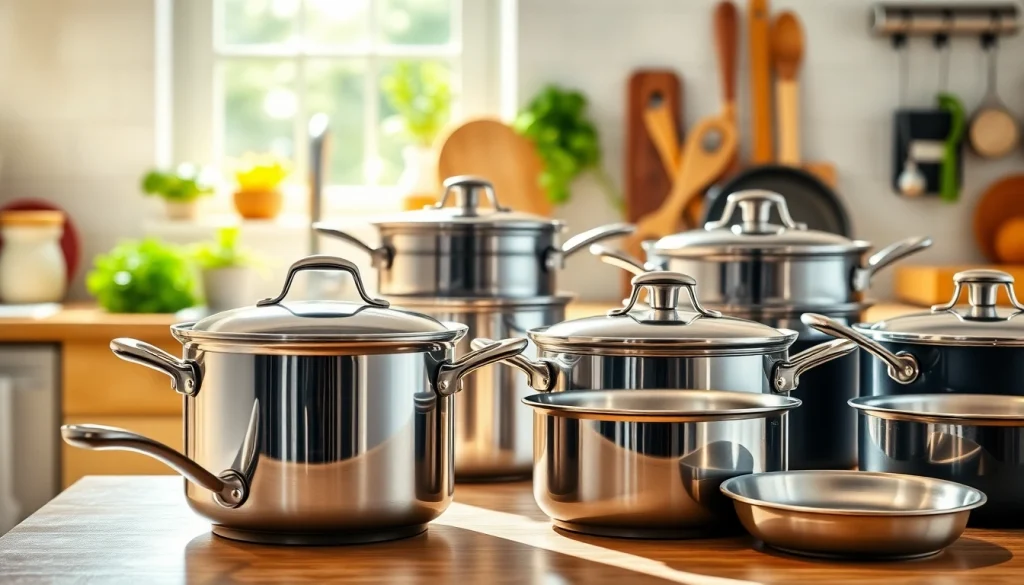
Understanding Cookware: Types and Materials
Cookware is an essential component of any kitchen, serving as the foundation for creating a variety of dishes. With a myriad of options available, including pots, pans, and specialized tools, understanding the different types and materials can significantly enhance your cooking experience. This guide will delve into the common types of cookware, compare various materials, and help you choose the right options for your cooking style. If you’re looking to upgrade your cookware, consider exploring options available at cookware websites that specialize in quality kitchen products.
Common Types of Cookware
Cookware can be categorized into several types, each designed for specific cooking methods and culinary tasks. Here’s a look at some of the most common types:
- Saucepans: Ideal for simmering sauces and boiling liquids, saucepans typically come with a long handle and a lid.
- Frying Pans or Skillets: Perfect for frying, sautéing, and searing, these pans have low sides that make it easy to flip food.
- Stockpots: Excellent for making soups, stews, and boiling pasta, stockpots are larger and often come with a lid.
- Roasting Pans: Typically deep and wide, these are designed to hold meat and vegetables for roasting in the oven.
- Cast Iron Cookware: Known for excellent heat retention and seasoning capabilities, cast iron cookware can be used for a variety of cooking methods.
Material Comparisons: Pros and Cons
Choosing the right material for your cookware is crucial, as it affects heat distribution, cooking efficiency, and maintenance. Below is a breakdown of popular cookware materials:
Stainless Steel
Stainless steel cookware is durable, resistant to rust and corrosion, and non-reactive, making it suitable for acidic foods. Its heat distribution can be uneven unless it has an aluminum or copper core.
Non-Stick
Non-stick cookware is favored for its easy cleanup and less need for oil during cooking. However, it can be less durable and may require special utensils to avoid scratches.
Cast Iron
Cast iron is renowned for its heat retention and even cooking. It requires seasoning and careful maintenance to prevent rust but can last a lifetime.
Copper
Copper cookware offers excellent heat conductivity, allowing for precise temperature control. However, it often requires more maintenance and can tarnish over time.
Carbon Steel
Similar to cast iron but lighter, carbon steel cookware is also excellent for heat retention and develops a natural non-stick surface with use. It requires seasoning and care to maintain.
Choosing the Right Material for Your Cooking Style
Your cooking style plays a key role in selecting the right cookware material. For example:
- If you primarily cook with high heat or like to sear meats, consider stainless steel or cast iron.
- For non-fried foods like eggs and pancakes, non-stick cookware is ideal.
- For baking and precise cooking, copper pots and pans are recommended.
Essential Cookware Pieces for Every Kitchen
A well-equipped kitchen doesn’t have to mean a cluttered kitchen. Certain cookware pieces are essential for versatile meal preparation, allowing home cooks to explore various recipes with ease.
Basic Cookware You Should Own
Every kitchen should have a basic set of cookware to handle everyday cooking tasks:
- 1-2 Saucepans: For boiling, simmering, and making sauces.
- 1 Frying Pan/Skillet: Perfect for frying, sautéing, and browning.
- 1 Stockpot: Useful for large batches of soups and pasta.
- 1 Roasting Pan: Essential for oven cooking meats and vegetables.
Versatile Cookware for Various Recipes
Once you have the basics, consider adding versatile pieces that allow you to explore more complex dishes:
- Cast Iron Skillets: Excellent for both stovetop and oven use.
- Woks: Ideal for stir-frying and high-heat cooking, especially in Asian cuisine.
Specialty Cookware for Advanced Cooking
If you’re an advanced cook, you may want to invest in specialty cookware to further enhance your culinary repertoire:
- Double Boiler: Great for melting chocolate and delicate sauces.
- Pressure Cooker: Speeds up cooking time for stews, beans, and grains.
- Tagine: Perfect for slow cooking Moroccan dishes.
Cookware Care and Maintenance Tips
Proper care and maintenance of your cookware can extend its lifespan and ensure optimal performance in the kitchen.
Cleaning and Storing Your Cookware
Make cleaning and storage part of your routine to maintain your cookware’s integrity:
- Hand Wash: Most cookware, especially non-stick and cast iron, should be hand washed to avoid damage.
- Avoiding Dishwasher: Dishwashing can dull the surface of many materials, particularly non-stick and copper.
- Store Properly: Use separators to prevent scratches and stacking to keep them organized.
Avoiding Common Mistakes with Cookware
There are a few common mistakes to be aware of when using cookware:
- Using High Heat on Non-Stick: It can damage the surface; use medium heat instead.
- Using Metal Utensils on Non-Stick Cookware: This can scratch the non-stick surface, leading to wear.
How to Extend the Lifespan of Your Cookware
Here are some tips to help extend the life of your cookware:
- Season Cast Iron: Regularly seasoning will prevent rust and maintain non-stick properties.
- Use Suitable Utensils: Opt for silicone or wooden utensils with non-stick surfaces.
- Maintain Temperature: Avoid drastic temperature changes to prevent warping.
Understanding Cookware Safety Standards
Cookware safety should be paramount in your kitchen. Understanding the standards can help you cook with confidence while ensuring your health and safety.
Non-Toxic Cookware Options
When selecting cookware, look for non-toxic options that free from hazardous materials:
- Stainless Steel: Generally safe and non-reactive.
- Cast Iron: A natural and chemical-free option, especially when seasoned properly.
- Ceramic Cookware: Look for brands that don’t use lead in their glazing processes.
Recognizing Safe Cooking Practices
Some practices can enhance safety while using cookware:
- Proper Ventilation: Ensure your kitchen is well-ventilated, especially when cooking with high heat.
- Food Handling: Use separate utensils for raw and cooked foods to avoid cross-contamination.
Regulatory Standards Relevant to Cookware
Different materials and coatings are subject to regulatory standards to ensure safety. Look for certifications such as:
- FDA Approval: Cookware approved by the FDA adheres to safety guidelines.
- Environmental Certification: Some cookware meets eco-friendly guidelines, ensuring lower environmental impacts during manufacturing.
Trends in Cookware: What’s New?
The world of cookware is continuously evolving, influenced by innovations in technology, materials, and consumer preferences. Here are some of the latest trends to keep an eye on:
Innovations in Cookware Materials
New materials and technologies are emerging, which enhance cooking performance:
- Composite Materials: Blending stainless steel with other metals for better conductivity and durability.
- Graphene Coatings: Offering non-stick properties while being environmentally friendly.
Cookware Design Trends for Home Chefs
Design plays a critical role in modern cookware:
- Aesthetics: Cookware now features vibrant colors and ergonomic designs to appeal to home cooks.
- Multi-Functional Cookware: There’s an increase in cookware that serves multiple purposes to maximize efficiency.
The Future of Eco-Friendly Cookware
As sustainability becomes a priority, eco-friendly cookware options are growing in popularity:
- Bamboo Cookware: Finding its way into kitchens as a sustainable alternative to traditional materials.
- Recycled Materials: Cookware made from recycled metals is gaining traction, reducing waste from landfills.
Frequently Asked Questions
1. What types of cookware are best for home cooking?
Essential cookware includes stainless steel saucepans, frying pans, and non-stick skillets. For more versatility, consider adding cast iron and stockpots.
2. How should I clean my non-stick cookware?
Hand-wash with warm soapy water using a soft sponge. Avoid abrasive cleaners and the dishwasher to maintain the coating.
3. Is cast iron cookware safe to use?
Yes, cast iron cookware is safe and non-toxic if properly seasoned. It provides excellent heat retention and can last for generations.
4. Do eco-friendly cookware options perform well?
Many eco-friendly cookware options perform well, providing excellent heat conduction. Look for reputable brands to ensure quality.
5. How can I extend the life of my cookware?
Store cookware properly, avoid metal utensils on non-stick surfaces, and follow manufacturer care instructions to extend its lifespan.